

How Many Data Centers Are There in India?
F
Discover verified facts, data, and insights about India’s states, culture, economy, education, and more — all in one place at FactBharat.
Search for a command to run...
Discover verified facts, data, and insights about India’s states, culture, economy, education, and more — all in one place at FactBharat.
No comments yet. Be the first to comment.
Moving to the USA from India is a dream for many. Whether you want to study, work, or live with family, the process can seem complex. But with the right information, you can plan your move confidently. I’ll guide you through the key steps and options...
Opening a college in India is a dream for many educators and entrepreneurs who want to contribute to the country’s education sector. If you are one of those who want to start a college, you need to understand the process clearly. It involves several ...
Opening a hospital in India is a significant and rewarding venture. If you’ve ever wondered how to start one, you’re in the right place. Whether you’re a healthcare professional, entrepreneur, or investor, understanding the process is crucial. You’ll...
Opening a medical store in India can be a rewarding business opportunity. You get to serve your community by providing essential medicines and healthcare products. If you are thinking about starting a medical store, you might wonder where to begin an...
Opening a restaurant in India can be an exciting and rewarding venture. Whether you dream of serving traditional Indian dishes or international cuisine, the process involves careful planning and understanding of local regulations. If you’re ready to ...
FactBharat | Insights About India
2558 posts
Discover verified facts, data, and insights about India’s states, culture, economy, education, and more — all in one place at FactBharat.
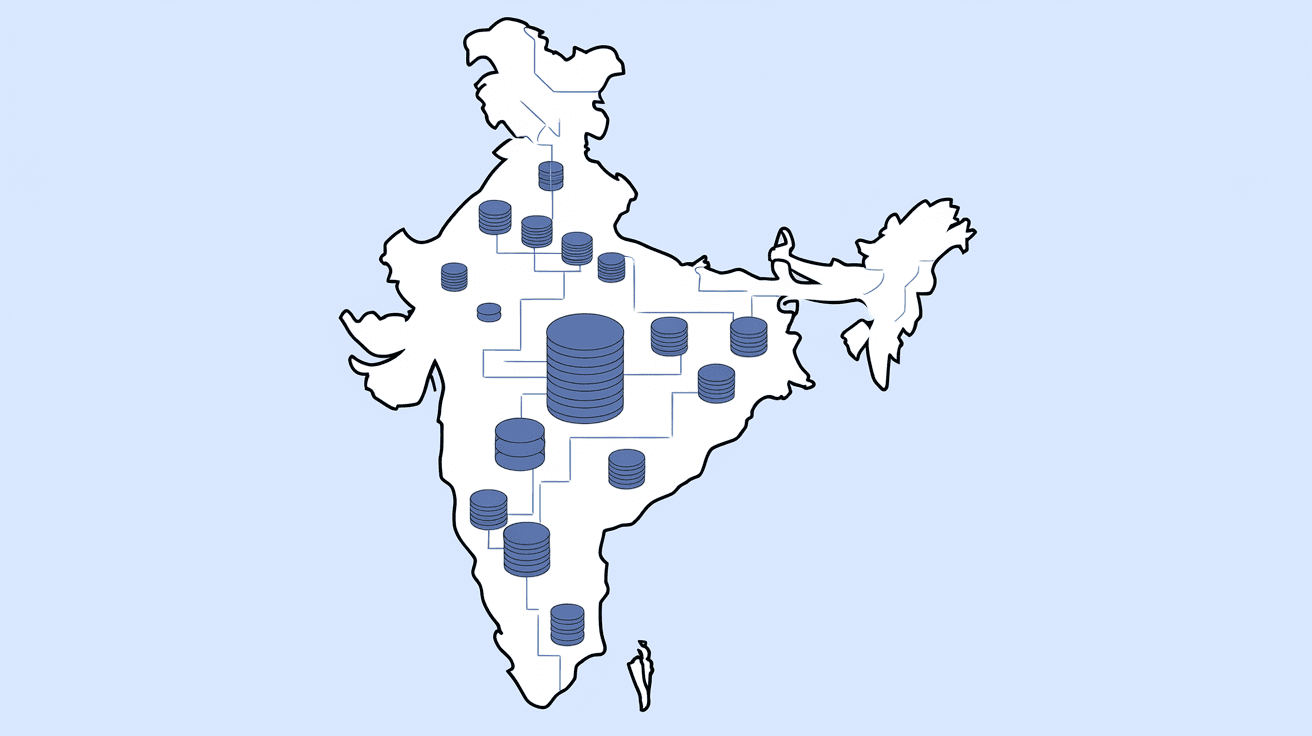
You might be curious about how many data centers India has and why this matters. Data centers are the backbone of the digital world. They store, process, and manage vast amounts of data that power everything from your favorite apps to government services.
In this article, I’ll walk you through the current landscape of data centers in India. We’ll explore their numbers, where they are located, and why India is becoming a hotspot for data center growth. This will help you understand the role these centers play in supporting India’s booming digital economy.
Before diving into the numbers, let's clarify what a data center is. A data center is a facility that houses computer systems and related components like storage systems and networking equipment. These centers provide the infrastructure needed to store and process data securely.
Understanding this helps you see why data centers are crucial for businesses and governments alike.
India has seen rapid growth in the number of data centers over the past few years. As of 2025, there are approximately 150 to 200 operational data centers across the country. This number includes both large-scale hyperscale centers and smaller colocation facilities.
This growth reflects India’s increasing demand for digital services and data storage.
Data centers in India are not spread evenly. They tend to cluster in specific regions with good infrastructure and connectivity.
Several factors contribute to the rapid expansion of data centers in India.
India’s push towards digital services, including e-governance, digital payments, and online education, has increased data demand.
Businesses are moving to cloud platforms, requiring more data center capacity to host cloud infrastructure.
Programs like Digital India and policies promoting data localization encourage companies to build data centers within the country.
With over 900 million internet users, India generates massive data daily, necessitating local data storage and processing.
The rollout of 5G networks and Internet of Things devices demands faster data processing closer to users, boosting edge data centers.
Several companies dominate the Indian data center market, both domestic and international.
These companies invest heavily in infrastructure, security, and green energy to meet growing demand.
India’s data centers are adopting modern technologies to improve efficiency and sustainability.
Despite growth, data centers in India face some challenges.
The outlook for data centers in India is very positive. Experts predict the number of data centers will double in the next five years due to:
India is set to become a global data center hub, supporting the digital economy and innovation.
You now have a clear picture of how many data centers India has and why they are growing so fast. With around 150 to 200 data centers spread across major cities, India is rapidly building the infrastructure needed for its digital future.
The combination of government initiatives, rising internet users, and cloud adoption is driving this growth. While challenges remain, the future looks bright with new technologies and investments shaping India’s data center landscape. Whether you’re a business owner, tech enthusiast, or policymaker, understanding this trend is key to staying ahead in the digital age.
India has approximately 150 to 200 operational data centers, including hyperscale, colocation, and edge facilities.
Mumbai leads with the highest number of data centers due to its connectivity and business environment.
Key drivers include digital transformation, cloud adoption, government policies, rising internet users, and 5G expansion.
Many Indian data centers are adopting renewable energy and advanced cooling technologies to improve energy efficiency.
Challenges include power supply issues, high real estate costs, regulatory compliance, and a shortage of skilled professionals.