

How Many Currency Printing Presses Are There in India?
F
Discover verified facts, data, and insights about India’s states, culture, economy, education, and more — all in one place at FactBharat.
Search for a command to run...
Discover verified facts, data, and insights about India’s states, culture, economy, education, and more — all in one place at FactBharat.
No comments yet. Be the first to comment.
Moving to the USA from India is a dream for many. Whether you want to study, work, or live with family, the process can seem complex. But with the right information, you can plan your move confidently. I’ll guide you through the key steps and options...
Opening a college in India is a dream for many educators and entrepreneurs who want to contribute to the country’s education sector. If you are one of those who want to start a college, you need to understand the process clearly. It involves several ...
Opening a hospital in India is a significant and rewarding venture. If you’ve ever wondered how to start one, you’re in the right place. Whether you’re a healthcare professional, entrepreneur, or investor, understanding the process is crucial. You’ll...
Opening a medical store in India can be a rewarding business opportunity. You get to serve your community by providing essential medicines and healthcare products. If you are thinking about starting a medical store, you might wonder where to begin an...
Opening a restaurant in India can be an exciting and rewarding venture. Whether you dream of serving traditional Indian dishes or international cuisine, the process involves careful planning and understanding of local regulations. If you’re ready to ...
FactBharat | Insights About India
2558 posts
Discover verified facts, data, and insights about India’s states, culture, economy, education, and more — all in one place at FactBharat.
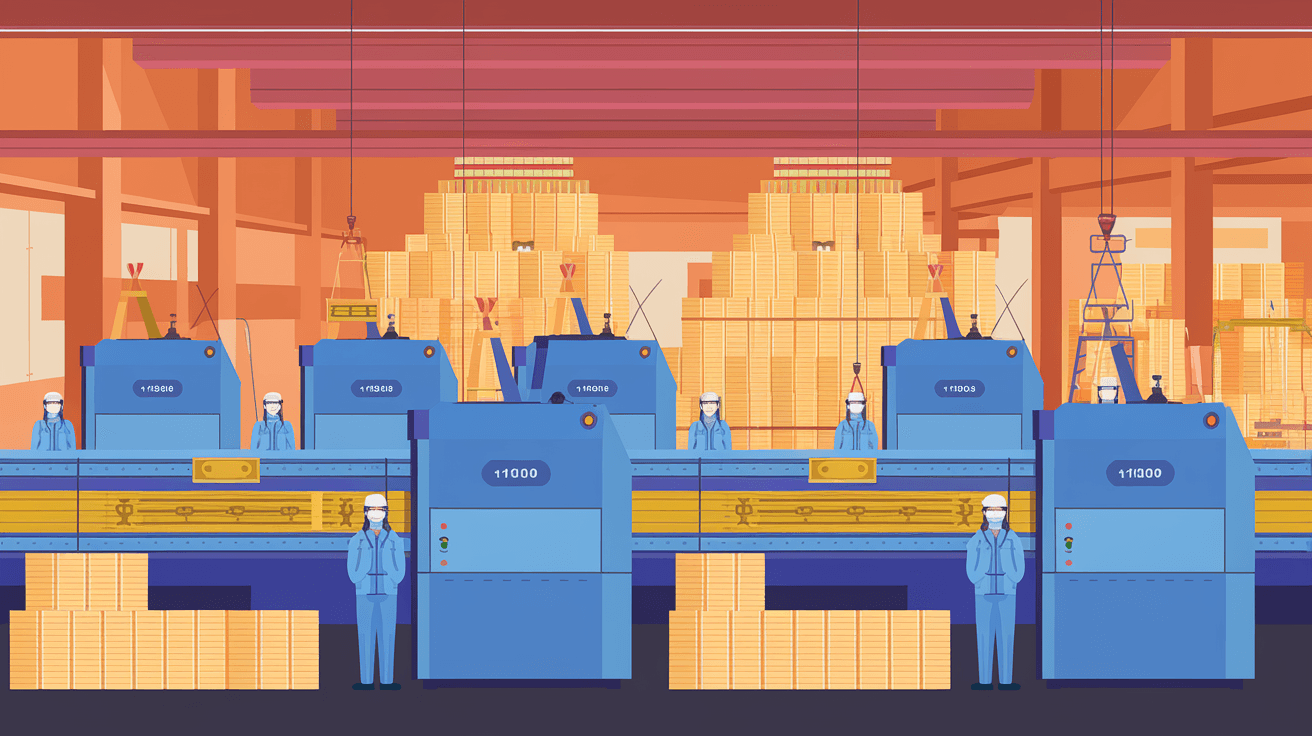
If you've ever wondered how many currency printing presses India has, you're not alone. Printing currency is a critical task that requires precision, security, and advanced technology. India, being one of the largest economies, needs a robust system to produce its banknotes efficiently.
In this article, I’ll take you through the number of currency printing presses in India, where they are located, and how they operate. You’ll also learn about the security features and the organizations involved in printing Indian currency. Let’s dive in!
India has four main currency printing presses that produce banknotes for the country. These presses are operated under the Ministry of Finance and are responsible for printing the Indian Rupee notes in various denominations.
Here are the four presses:
Each of these presses plays a vital role in meeting the demand for currency notes across India.
The printing of currency notes in India is controlled by the Security Printing and Minting Corporation of India Limited (SPMCIL). This government-owned corporation manages the four presses mentioned above.
The Reserve Bank of India (RBI) is the sole authority that issues currency notes. While RBI decides the denominations and volume of notes to be printed, SPMCIL executes the printing process.
Currency printing is not just about producing notes; it involves embedding multiple security features to prevent counterfeiting. Indian currency notes include:
These features are incorporated during the printing process at the presses, ensuring the notes are difficult to counterfeit.
India’s currency printing presses have a combined capacity to print billions of banknotes annually. The exact number varies depending on demand, economic conditions, and RBI’s monetary policy.
For example, the Bank Note Press in Dewas can print over 16 billion notes annually, while the Currency Note Press in Nashik has a capacity of around 10 billion notes.
Security is paramount in currency printing. The presses follow strict protocols:
These measures help prevent theft, leaks, or counterfeiting attempts.
Indian currency notes are printed on a special type of paper made from cotton and cotton rag. This paper is durable and difficult to replicate.
This combination of materials and technology ensures the notes last longer and remain secure.
Despite advanced technology, currency printing presses face several challenges:
The government and RBI continuously work to address these issues by upgrading technology and improving processes.
With the rise of digital payments, you might wonder if currency printing will decline. However, cash remains important in India, especially in rural areas.
So, currency printing presses will continue to play a crucial role in India’s economy.
Now you know that India has four main currency printing presses located in Nashik, Dewas, Mysuru, and Hyderabad. These presses, managed by SPMCIL and guided by RBI, produce billions of secure banknotes every year. They use advanced materials and security features to keep Indian currency safe from counterfeiters.
While digital payments are growing, cash remains vital, ensuring these presses stay important. Understanding how currency is printed gives you a glimpse into the complex process that keeps India’s economy running smoothly.
India has four main currency printing presses: Currency Note Press (Nashik), Bank Note Press (Dewas), Bank Note Press (Mysuru), and Security Printing Press (Hyderabad).
The Security Printing and Minting Corporation of India Limited (SPMCIL) manages currency printing, while the Reserve Bank of India (RBI) issues the currency.
Indian notes include watermarks, security threads, microlettering, intaglio printing, latent images, and optically variable ink to prevent counterfeiting.
The special cotton-based paper used for Indian currency is produced by the Security Paper Mill located in Hoshangabad.
While digital payments are increasing, cash remains essential in India, especially in rural areas, so currency printing continues to be important.