

How Many Cultures Are There in India
F
Discover verified facts, data, and insights about India’s states, culture, economy, education, and more — all in one place at FactBharat.
Search for a command to run...
Discover verified facts, data, and insights about India’s states, culture, economy, education, and more — all in one place at FactBharat.
No comments yet. Be the first to comment.
Moving to the USA from India is a dream for many. Whether you want to study, work, or live with family, the process can seem complex. But with the right information, you can plan your move confidently. I’ll guide you through the key steps and options...
Opening a college in India is a dream for many educators and entrepreneurs who want to contribute to the country’s education sector. If you are one of those who want to start a college, you need to understand the process clearly. It involves several ...
Opening a hospital in India is a significant and rewarding venture. If you’ve ever wondered how to start one, you’re in the right place. Whether you’re a healthcare professional, entrepreneur, or investor, understanding the process is crucial. You’ll...
Opening a medical store in India can be a rewarding business opportunity. You get to serve your community by providing essential medicines and healthcare products. If you are thinking about starting a medical store, you might wonder where to begin an...
Opening a restaurant in India can be an exciting and rewarding venture. Whether you dream of serving traditional Indian dishes or international cuisine, the process involves careful planning and understanding of local regulations. If you’re ready to ...
FactBharat | Insights About India
2558 posts
Discover verified facts, data, and insights about India’s states, culture, economy, education, and more — all in one place at FactBharat.
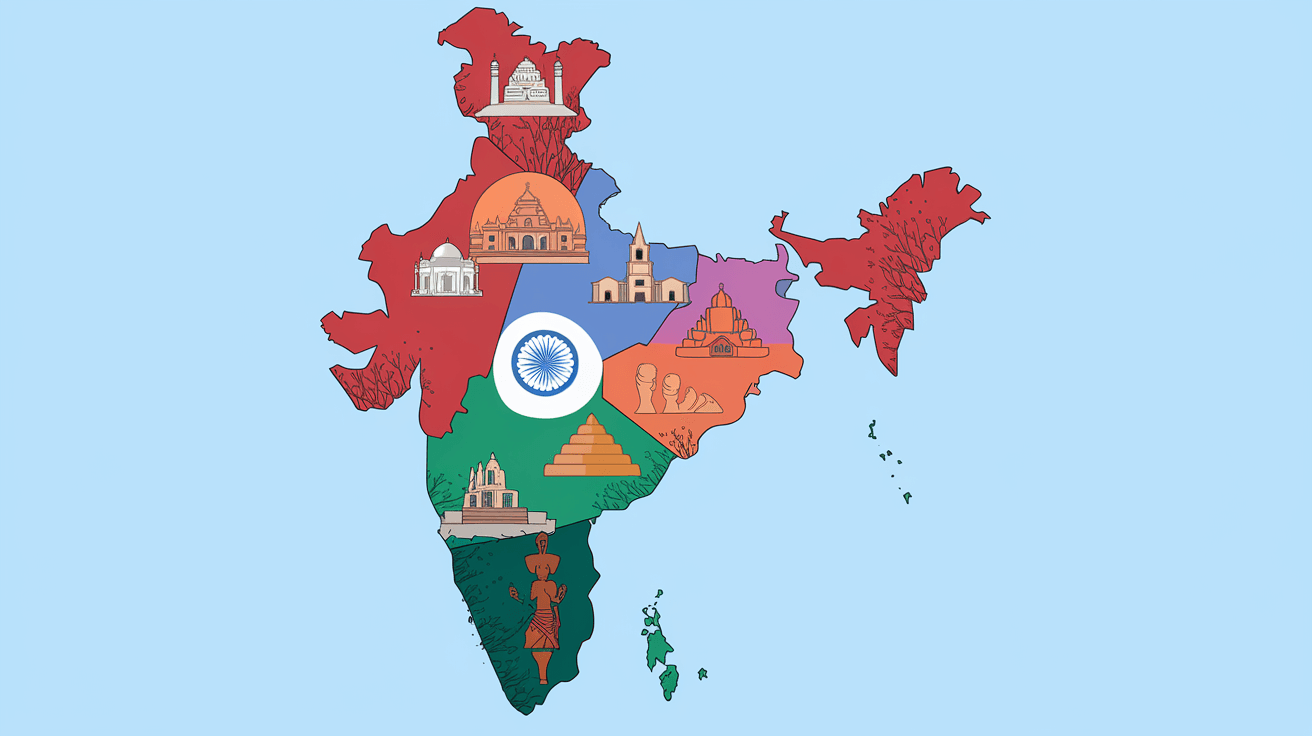
India is a land of incredible diversity, and when you ask, "How many cultures are there in India?" the answer is both fascinating and complex. You might think of culture as just food, clothing, or festivals, but in India, culture includes language, religion, traditions, art, and even ways of thinking. When you explore India, you discover a vibrant mosaic of cultures that have evolved over thousands of years.
In this article, I’ll take you on a journey through India’s cultural landscape. We’ll look at how many cultures exist, what makes them unique, and how they coexist in this vast country. Whether you’re curious about languages, religions, or regional traditions, you’ll find plenty to learn about India’s cultural richness.
Culture is a broad term that covers many aspects of life. In India, culture includes language, religion, festivals, clothing, food, music, dance, and social customs. Because India is so large and has a long history, it has developed many distinct cultures.
So, when we ask how many cultures are there in India, we are really asking about the many groups that have their own ways of life.
There is no exact number for how many cultures exist in India because culture is fluid and overlaps. However, experts estimate that India has over 2,000 distinct ethnic groups and more than 1,600 spoken languages and dialects. This diversity means there are thousands of cultural identities.
India’s cultures can be grouped into broad zones based on geography and language:
India has over 700 officially recognized tribal groups, each with its own culture. These tribes live mostly in forests and hills and maintain ancient traditions. Some well-known tribes include:
These tribal cultures add to India’s cultural richness and diversity.
Language is a key part of culture. India’s linguistic diversity is one of the largest in the world.
For example, Tamil culture is deeply tied to the Tamil language, with ancient literature and classical arts. Similarly, Bengali culture is rich in poetry, music, and festivals linked to the Bengali language.
Religion shapes many cultural practices in India. The country is home to several major religions, each with unique customs.
Religious festivals like Diwali, Eid, Christmas, Vaisakhi, and Buddha Purnima are celebrated across India, often blending local customs.
India’s festivals showcase its cultural diversity. Each region and community celebrates its own festivals, often with unique rituals.
These festivals reflect the values, history, and social life of different cultures.
Food and clothing are visible signs of culture. India’s cuisine varies greatly by region, influenced by climate, religion, and history.
Clothing also varies:
India’s cultural diversity shines in its art forms.
These art forms preserve cultural heritage and bring communities together.
Despite the vast diversity, India’s cultures coexist peacefully in many ways.
This coexistence is a key part of India’s identity.
India’s cultural diversity faces challenges:
Efforts by governments and NGOs aim to protect and promote cultural heritage.
India’s cultural diversity is one of its greatest treasures. With thousands of ethnic groups, languages, religions, and traditions, India is a living example of how many cultures can thrive together. When you ask how many cultures are there in India, the answer is not a simple number but a rich tapestry of human expression.
Understanding this diversity helps us appreciate India’s complexity and beauty. Whether through language, festivals, food, or art, each culture adds a unique thread to the fabric of India. Exploring these cultures can deepen your connection to this incredible country.
India has over 1,600 languages and dialects, with 22 officially recognized languages. This linguistic diversity reflects the country’s many cultures.
The major religions include Hinduism, Islam, Christianity, Sikhism, Buddhism, and Jainism, each influencing cultural practices.
There are over 700 officially recognized tribal groups, each with distinct cultures and traditions.
Hindi is the most widely spoken language, especially in northern and central India.
Festivals showcase regional traditions, religious beliefs, and social values, highlighting India’s cultural diversity.