

How Many Cricket Stadiums Are There in India
F
Discover verified facts, data, and insights about India’s states, culture, economy, education, and more — all in one place at FactBharat.
Search for a command to run...
Discover verified facts, data, and insights about India’s states, culture, economy, education, and more — all in one place at FactBharat.
No comments yet. Be the first to comment.
Moving to the USA from India is a dream for many. Whether you want to study, work, or live with family, the process can seem complex. But with the right information, you can plan your move confidently. I’ll guide you through the key steps and options...
Opening a college in India is a dream for many educators and entrepreneurs who want to contribute to the country’s education sector. If you are one of those who want to start a college, you need to understand the process clearly. It involves several ...
Opening a hospital in India is a significant and rewarding venture. If you’ve ever wondered how to start one, you’re in the right place. Whether you’re a healthcare professional, entrepreneur, or investor, understanding the process is crucial. You’ll...
Opening a medical store in India can be a rewarding business opportunity. You get to serve your community by providing essential medicines and healthcare products. If you are thinking about starting a medical store, you might wonder where to begin an...
Opening a restaurant in India can be an exciting and rewarding venture. Whether you dream of serving traditional Indian dishes or international cuisine, the process involves careful planning and understanding of local regulations. If you’re ready to ...
FactBharat | Insights About India
2558 posts
Discover verified facts, data, and insights about India’s states, culture, economy, education, and more — all in one place at FactBharat.
Cricket is more than just a sport in India; it’s a passion that unites millions. If you’re curious about where all the cricket action happens, you might wonder, how many cricket stadiums are there in India? Whether you’re a fan planning to visit or just want to know more about the country’s cricket infrastructure, this article will guide you through the details.
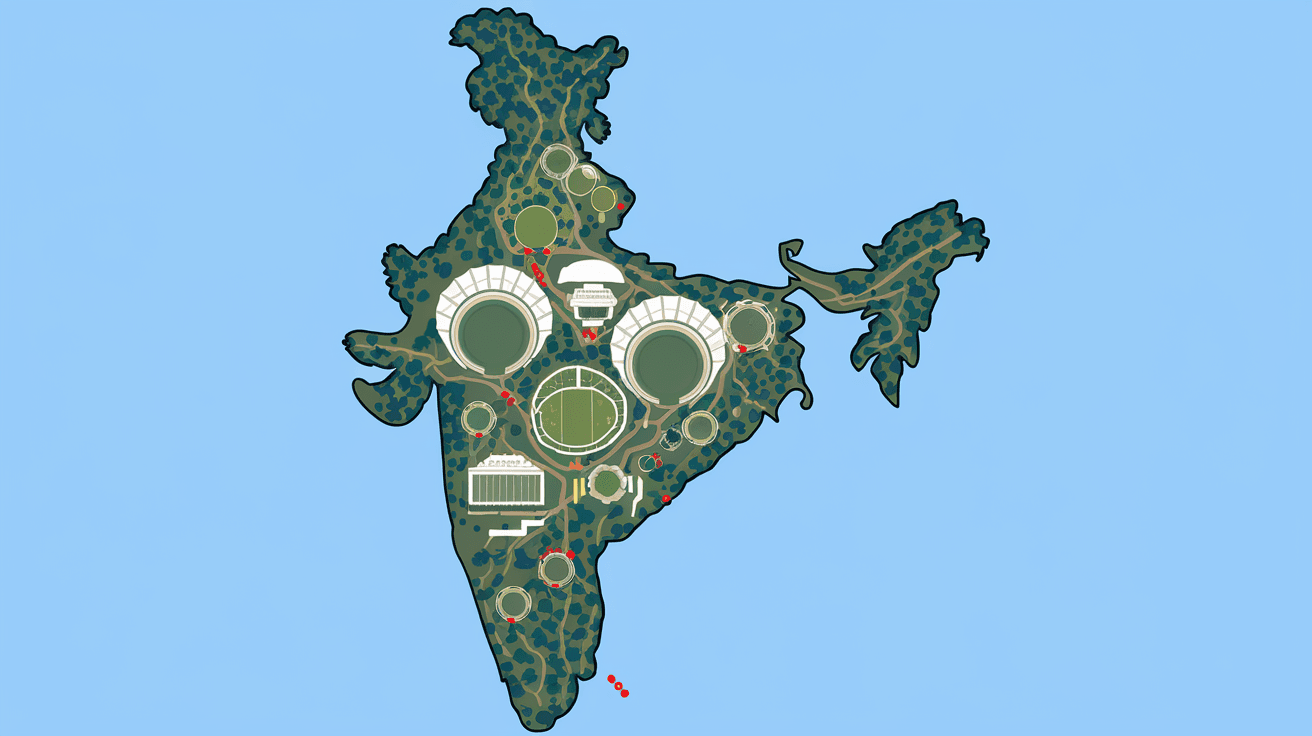
India boasts a vast number of cricket stadiums spread across its states. These stadiums host everything from local matches to international games, including the Indian Premier League (IPL) and World Cups. Let’s explore the number of cricket stadiums, their locations, and what makes some of them stand out.
India has over 50 cricket stadiums that are recognized for hosting professional matches. This includes stadiums approved by the Board of Control for Cricket in India (BCCI) and those used for domestic and international games.
The exact number can vary depending on the criteria used, but the figure is generally accepted to be between 50 and 60 major cricket stadiums across the country.
India’s international cricket stadiums are spread across different states, each with unique features and histories. Here are some of the most famous ones:
These stadiums are equipped with modern facilities and regularly host international and IPL matches.
Cricket stadiums are not limited to just a few cities. They are distributed across many states, reflecting the sport’s popularity nationwide.
| State/Union Territory | Number of Major Cricket Stadiums | Notable Stadiums |
| Maharashtra | 6 | Wankhede Stadium, Brabourne Stadium |
| Gujarat | 3 | Narendra Modi Stadium |
| Karnataka | 3 | M. Chinnaswamy Stadium |
| Tamil Nadu | 4 | M. A. Chidambaram Stadium |
| Delhi | 2 | Arun Jaitley Stadium |
| Punjab | 2 | IS Bindra Stadium |
| West Bengal | 2 | Eden Gardens |
| Rajasthan | 2 | Sawai Mansingh Stadium |
| Others | 20+ | Various domestic stadiums |
This distribution shows how cricket infrastructure supports both international and domestic cricket across India.
India is continuously expanding its cricket infrastructure. New stadiums are being built to accommodate growing audiences and improve facilities.
These developments ensure that cricket remains accessible and popular throughout the country.
Indian cricket stadiums vary in size and design but share some common features:
These features make attending a cricket match in India a memorable experience.
Cricket stadiums in India do more than just host matches. They have a significant impact on local communities:
This shows how cricket stadiums contribute beyond the sport itself.
If you want to visit cricket stadiums in India, here are some tips:
Visiting these stadiums can give you a deeper appreciation of Indian cricket culture.
India is home to over 50 major cricket stadiums, ranging from historic venues like Eden Gardens to the massive Narendra Modi Stadium. These stadiums are spread across the country, reflecting cricket’s deep roots in Indian society. With ongoing investments and new stadiums emerging, India’s cricket infrastructure continues to grow.
Whether you’re a fan watching a match live or someone curious about the sport’s reach, understanding the number and diversity of cricket stadiums in India offers insight into why cricket is truly the nation’s favorite game. The stadiums are not just places for sport but vibrant centers of culture, economy, and community spirit.
India has around 30 stadiums that regularly host international cricket matches, including Tests, ODIs, and T20s.
The Narendra Modi Stadium in Ahmedabad is the largest cricket stadium in India and the world, with a seating capacity of 132,000.
Most Indian states have at least one cricket stadium, but the number and size vary depending on the region’s cricket popularity.
Many stadiums offer guided tours or have visitor centers, but it’s best to check with the stadium’s official website before planning a visit.
Eden Gardens in Kolkata is the oldest cricket stadium in India, established in 1864, and remains one of the most iconic venues worldwide.