

How Many Consumer Rights Are There in India
F
Discover verified facts, data, and insights about India’s states, culture, economy, education, and more — all in one place at FactBharat.
Search for a command to run...
Discover verified facts, data, and insights about India’s states, culture, economy, education, and more — all in one place at FactBharat.
No comments yet. Be the first to comment.
Moving to the USA from India is a dream for many. Whether you want to study, work, or live with family, the process can seem complex. But with the right information, you can plan your move confidently. I’ll guide you through the key steps and options...
Opening a college in India is a dream for many educators and entrepreneurs who want to contribute to the country’s education sector. If you are one of those who want to start a college, you need to understand the process clearly. It involves several ...
Opening a hospital in India is a significant and rewarding venture. If you’ve ever wondered how to start one, you’re in the right place. Whether you’re a healthcare professional, entrepreneur, or investor, understanding the process is crucial. You’ll...
Opening a medical store in India can be a rewarding business opportunity. You get to serve your community by providing essential medicines and healthcare products. If you are thinking about starting a medical store, you might wonder where to begin an...
Opening a restaurant in India can be an exciting and rewarding venture. Whether you dream of serving traditional Indian dishes or international cuisine, the process involves careful planning and understanding of local regulations. If you’re ready to ...
FactBharat | Insights About India
2558 posts
Discover verified facts, data, and insights about India’s states, culture, economy, education, and more — all in one place at FactBharat.
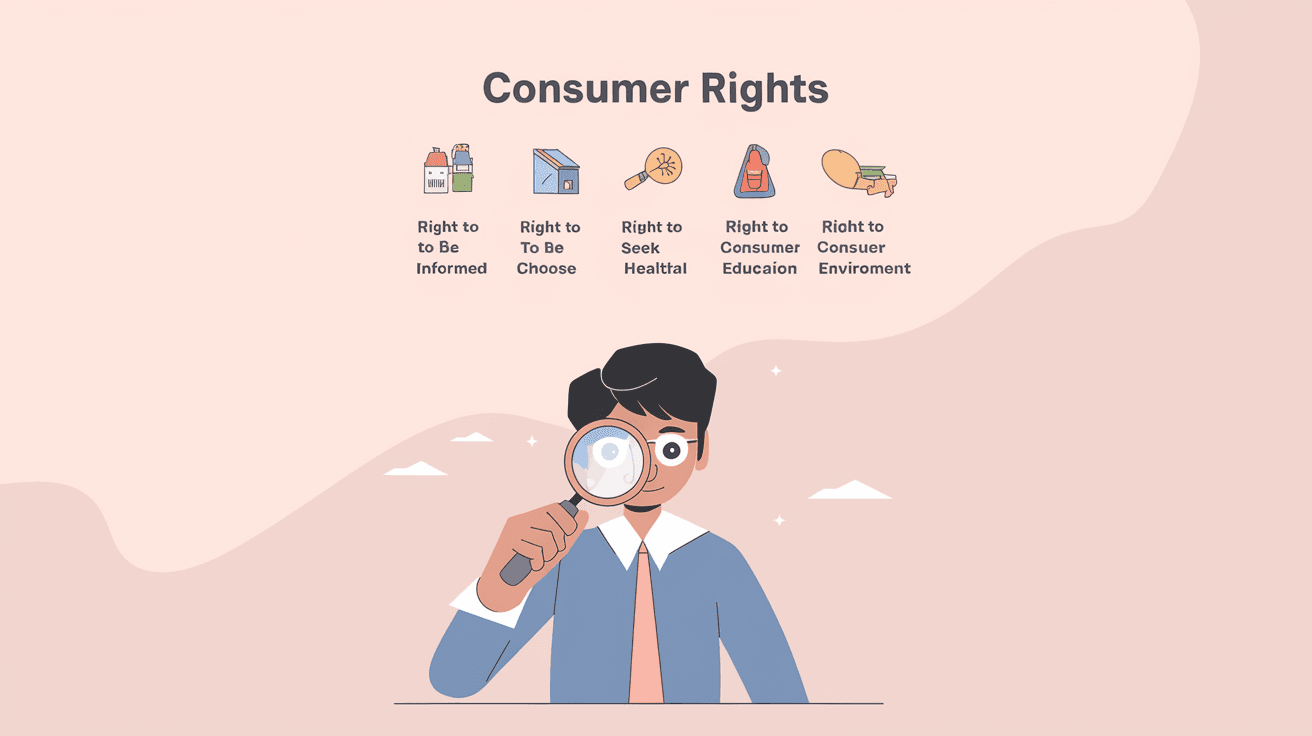
When you buy a product or service in India, you have certain rights that protect you from unfair practices. Knowing these rights helps you make better choices and stand up for yourself if something goes wrong. You might wonder, how many consumer rights are there in India? The answer is six fundamental rights that every consumer should know.
These rights are designed to ensure fairness, safety, and transparency in the marketplace. They empower you to demand quality products, truthful information, and fair treatment. In this article, I will explain each of these six consumer rights in detail, so you can understand how they work and how to use them effectively.
India recognizes six basic consumer rights that protect you when you buy goods or services. These rights are part of the Consumer Protection Act, which aims to create a fair and safe marketplace. Let's explore each right and what it means for you.
Your safety is the top priority when you use any product or service. The Right to Safety means that products you buy should not harm you or put your life at risk. This includes food, medicines, electronics, and more.
For example, if you buy a toy for your child, it should not contain harmful chemicals or small parts that can cause choking. If it does, you have the right to complain and seek compensation.
You have the right to get complete and accurate information about the products or services you buy. This includes details like price, ingredients, usage instructions, and expiry dates.
Imagine buying a medicine without knowing its side effects or expiry date. The Right to Information ensures you get all necessary facts to make an informed decision.
The Right to Choose means you can select from a variety of products and services at competitive prices. No one should force you to buy a particular brand or product.
For instance, if you want to buy a smartphone, you can choose from different brands and models without pressure from the seller.
If you face any problem with a product or service, you have the Right to be Heard. This means your complaints and feedback should be taken seriously by sellers, manufacturers, and consumer protection agencies.
Suppose you bought a defective appliance. You can approach the consumer forum and expect your issue to be resolved fairly.
The Right to Redressal guarantees that you can get compensation or correction if you suffer a loss due to faulty products or poor services.
For example, if a product you bought causes injury or financial loss, you can seek legal redress and get compensated.
This right ensures that you are educated about your consumer rights and responsibilities. Awareness helps you make better choices and avoid fraud.
By understanding your rights, you can avoid scams and make smart purchases.
These six consumer rights are not just theoretical; they have practical applications that protect you every day. Here are some examples of how these rights work in real life:
By knowing these rights, you can confidently shop, use services, and seek help if needed.
Knowing your rights is the first step. The next is to know how to use them effectively. Here are some practical steps you can take:
These steps help you protect yourself and get justice when things go wrong.
India has strong laws that back these consumer rights. The main law is the Consumer Protection Act, which has been updated to address modern challenges.
These laws make sure your rights are not just words but enforceable protections.
Despite these rights, consumers in India face challenges like:
Your consumer rights help you fight these problems by:
By staying informed and proactive, you can overcome these challenges.
To make the most of your consumer rights, here are some tips:
These habits help you shop wisely and protect your interests.
Understanding how many consumer rights there are in India and what they mean is essential for every buyer. The six fundamental rights—Right to Safety, Information, Choice, to be Heard, Redressal, and Consumer Education—work together to protect you from unfair practices and ensure a safe marketplace.
By knowing and exercising these rights, you can shop confidently, demand quality, and seek justice when needed. Remember, your rights are your tools to make better decisions and hold businesses accountable. Stay informed, stay alert, and use your consumer rights to make your voice heard.
India recognizes six fundamental consumer rights that protect buyers from unfair trade practices and ensure safety, information, choice, hearing, redressal, and education.
The Right to Safety ensures that products and services you use do not harm your health or life and meet safety standards set by authorities.
You can file complaints with consumer forums at district, state, or national levels, or use online portals like the National Consumer Helpline.
Yes, the Right to Information requires sellers to provide clear and accurate product labels, including price, ingredients, and expiry dates.
Consumer education helps you understand your rights and responsibilities, enabling you to make informed choices and avoid fraud.