

How Many Classical Dances in India
Search for a command to run...
No comments yet. Be the first to comment.
Moving to the USA from India is a dream for many. Whether you want to study, work, or live with family, the process can seem complex. But with the right information, you can plan your move confidently. I’ll guide you through the key steps and options...
Opening a college in India is a dream for many educators and entrepreneurs who want to contribute to the country’s education sector. If you are one of those who want to start a college, you need to understand the process clearly. It involves several ...
Opening a hospital in India is a significant and rewarding venture. If you’ve ever wondered how to start one, you’re in the right place. Whether you’re a healthcare professional, entrepreneur, or investor, understanding the process is crucial. You’ll...
Opening a medical store in India can be a rewarding business opportunity. You get to serve your community by providing essential medicines and healthcare products. If you are thinking about starting a medical store, you might wonder where to begin an...
Opening a restaurant in India can be an exciting and rewarding venture. Whether you dream of serving traditional Indian dishes or international cuisine, the process involves careful planning and understanding of local regulations. If you’re ready to ...
FactBharat | Insights About India
2558 posts
Discover verified facts, data, and insights about India’s states, culture, economy, education, and more — all in one place at FactBharat.
India is a land of diverse cultures, traditions, and art forms. Among these, classical dance holds a special place, showcasing the country's rich heritage. You might wonder, how many classical dances are there in India? The answer is not just a number; it reflects centuries of history, storytelling, and spirituality.
In this article, we will explore the various classical dance forms of India, their origins, and their unique characteristics. By the end, you'll have a deeper appreciation for this vibrant aspect of Indian culture.
India boasts eight recognized classical dance forms. Each dance has its own unique style, history, and cultural significance. Here’s a quick look at these eight forms:
Let’s dive deeper into each of these classical dance forms.
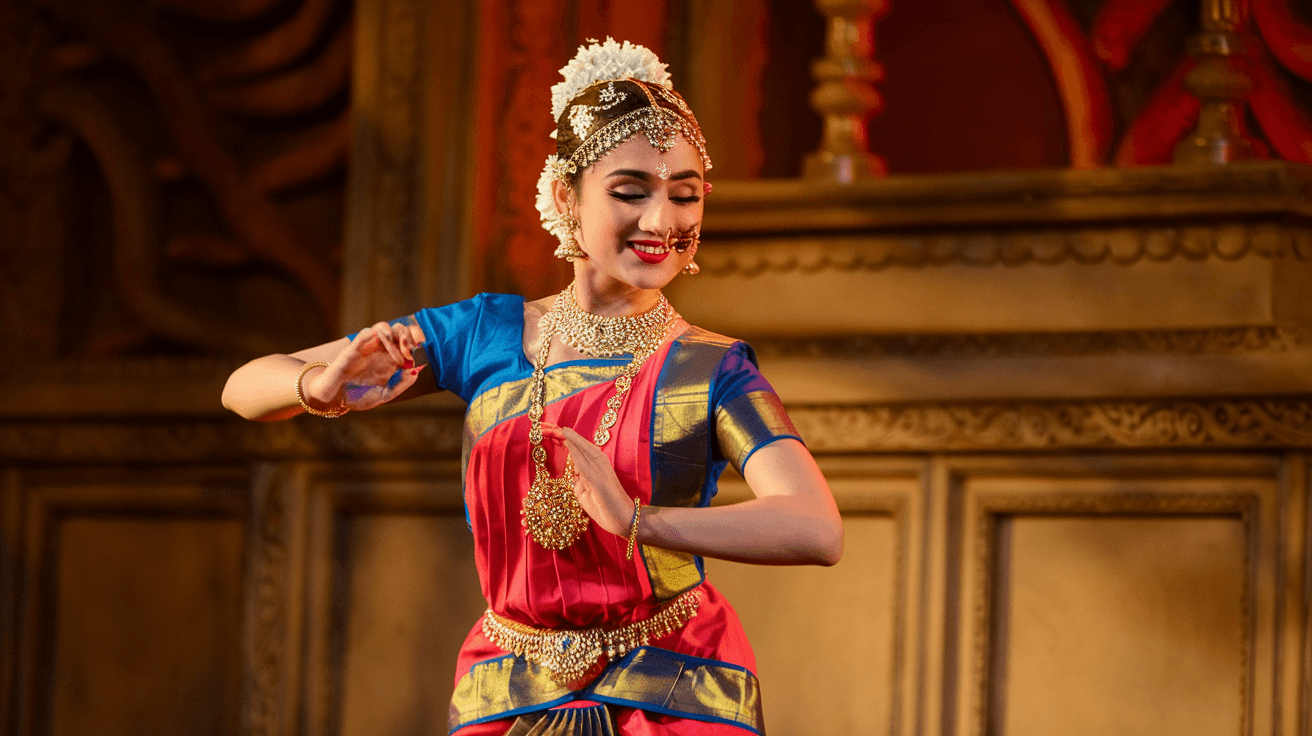
Bharatanatyam is one of the oldest classical dance forms in India. It originated in Tamil Nadu and has roots in ancient temples. Traditionally, it was performed by Devadasis, women dedicated to temple service.
Bharatanatyam often depicts themes from Hindu mythology, focusing on devotion and spirituality.
Kathak has its origins in North India, particularly in Uttar Pradesh. It evolved from the storytelling traditions of the Kathakars, who narrated tales through dance.
Kathak often tells stories from Indian epics, focusing on love, devotion, and the divine.
Odissi is one of the oldest classical dance forms, originating from Odisha. It has roots in temple rituals and was performed by the Maharis, temple dancers.
Odissi often depicts themes of love and devotion, particularly towards Lord Krishna.
Kathakali is a classical dance-drama from Kerala, known for its elaborate costumes and makeup. It originated in the 17th century and is deeply rooted in Hindu mythology.
Kathakali often portrays stories from the Ramayana and Mahabharata, focusing on the battle between good and evil.
Manipuri dance originates from Manipur and is known for its graceful movements. It has strong ties to the region's religious and cultural traditions.
Manipuri dance often focuses on the Raas Leela, a dance-drama depicting the love between Radha and Krishna.
Kuchipudi is a classical dance form from Andhra Pradesh, combining dance and drama. It originated in the 17th century and was initially performed by male dancers.
Kuchipudi often depicts stories of gods and goddesses, focusing on devotion and spirituality.
Mohiniyattam is a classical dance form from Kerala, known for its graceful and feminine movements. It has roots in temple rituals and was traditionally performed by women.
Mohiniyattam often depicts themes of love and devotion, particularly towards Lord Vishnu.
Sattriya is a classical dance form from Assam, performed in monasteries. It has roots in the Vaishnavite tradition and was developed by the saint Srimanta Sankardeva.
Sattriya often focuses on themes of devotion and spirituality, particularly towards Lord Krishna.
Classical dances in India are not just art forms; they are a reflection of the country's rich cultural heritage. Each dance tells a story, often rooted in mythology or spirituality. They serve as a means of preserving traditions and passing them down through generations.
Indian classical dances have gained international recognition. They are performed worldwide, showcasing India's rich cultural heritage. Many dance schools abroad teach these forms, promoting cross-cultural exchange.
In conclusion, India is home to eight classical dance forms, each with its own unique history and characteristics. From the intricate footwork of Bharatanatyam to the dramatic storytelling of Kathakali, these dances reflect the rich tapestry of Indian culture.
Understanding these classical dances not only enhances your appreciation for the art but also connects you to the traditions and stories that have shaped India for centuries.
India has eight recognized classical dance forms, each with its own unique style and cultural significance.
Bharatanatyam is considered one of the oldest classical dance forms in India, with roots dating back over 2,000 years.
Classical dances often depict themes of love, devotion, and spirituality, frequently drawing from Hindu mythology.
Yes, anyone can learn classical dance! Many dance schools offer classes for beginners, regardless of age or experience.
Classical dances preserve traditions, promote cultural awareness, and serve as a means of artistic expression, enriching India's cultural heritage.