

How Many Classical Dance Forms Are There in India
F
Discover verified facts, data, and insights about India’s states, culture, economy, education, and more — all in one place at FactBharat.
Search for a command to run...
Discover verified facts, data, and insights about India’s states, culture, economy, education, and more — all in one place at FactBharat.
No comments yet. Be the first to comment.
Moving to the USA from India is a dream for many. Whether you want to study, work, or live with family, the process can seem complex. But with the right information, you can plan your move confidently. I’ll guide you through the key steps and options...
Opening a college in India is a dream for many educators and entrepreneurs who want to contribute to the country’s education sector. If you are one of those who want to start a college, you need to understand the process clearly. It involves several ...
Opening a hospital in India is a significant and rewarding venture. If you’ve ever wondered how to start one, you’re in the right place. Whether you’re a healthcare professional, entrepreneur, or investor, understanding the process is crucial. You’ll...
Opening a medical store in India can be a rewarding business opportunity. You get to serve your community by providing essential medicines and healthcare products. If you are thinking about starting a medical store, you might wonder where to begin an...
Opening a restaurant in India can be an exciting and rewarding venture. Whether you dream of serving traditional Indian dishes or international cuisine, the process involves careful planning and understanding of local regulations. If you’re ready to ...
FactBharat | Insights About India
2558 posts
Discover verified facts, data, and insights about India’s states, culture, economy, education, and more — all in one place at FactBharat.
India is a land rich in culture, and its classical dance forms are a beautiful reflection of this heritage. If you’ve ever wondered how many classical dance forms there are in India, you’re not alone. These dances are more than just performances; they tell stories, express emotions, and preserve traditions that have been passed down for centuries.
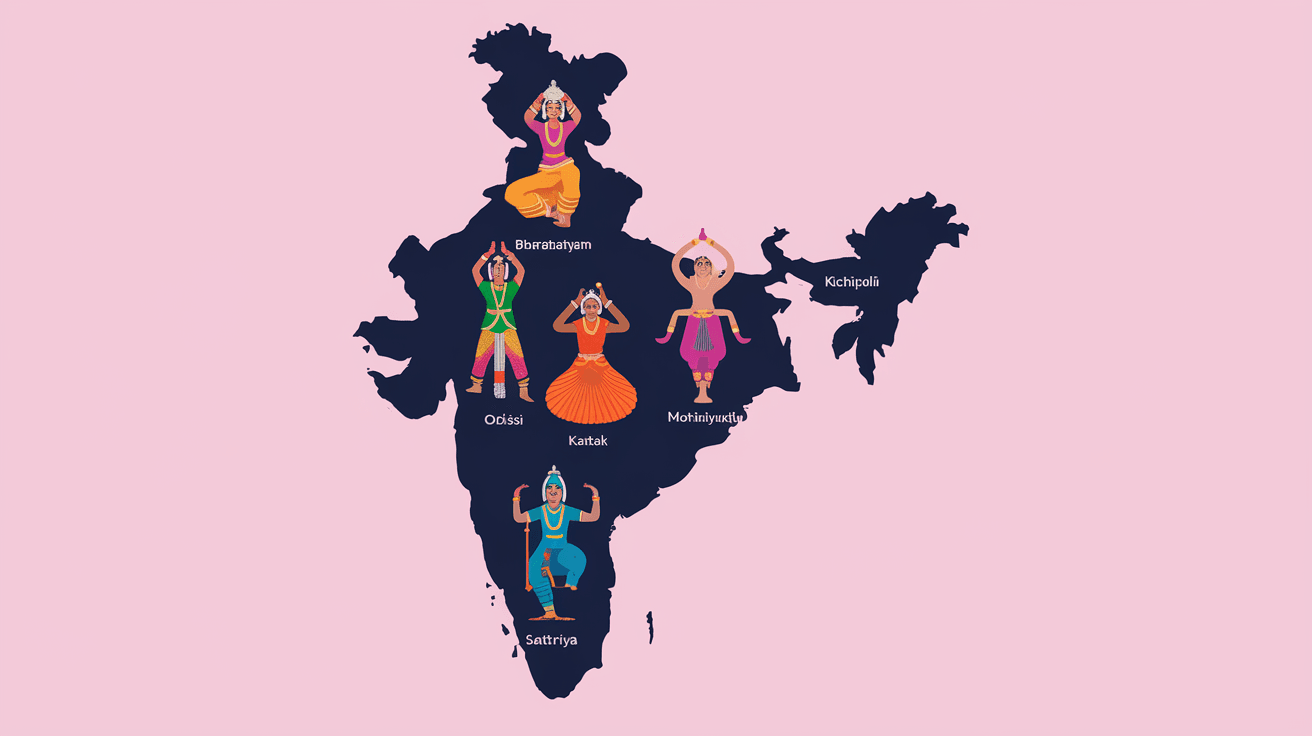
In this article, I’ll take you through the eight officially recognized classical dance forms of India. You’ll learn about their origins, what makes each unique, and why they continue to captivate audiences worldwide. Whether you’re a dance enthusiast or just curious, this guide will give you a clear picture of India’s classical dance heritage.
Before diving into the list, it’s important to understand what makes a dance form "classical" in India. Classical dances are traditional art forms that have a long history and are based on ancient texts like the Natya Shastra, written by Bharata Muni. These dances have strict rules regarding movements, expressions, costumes, and music.
Here are some key features of Indian classical dances:
The Indian government officially recognizes eight classical dance forms based on their historical significance and adherence to these criteria.
India’s classical dances are diverse, each representing different regions and cultural stories. Let’s explore each one.
Bharatanatyam is one of the oldest and most popular classical dances. Originating from Tamil Nadu, it was traditionally performed in temples as a form of devotion to Lord Shiva.
Bharatanatyam is often called the "mother of all Indian dances" because of its influence on other forms.
Kathak comes from the northern parts of India, especially Uttar Pradesh. It evolved from storytelling traditions where performers narrated tales from epics like the Mahabharata.
Kathak has both Hindu and Muslim influences, making it unique among classical dances.
Kathakali is a dramatic dance form from Kerala, known for its elaborate costumes and makeup.
Kathakali is more theatrical and is usually performed in temple festivals and cultural events.
Kuchipudi originated in Andhra Pradesh and is known for its graceful movements and strong narrative style.
Kuchipudi also includes spoken dialogue, making it a blend of dance and drama.
Odissi is a classical dance from Odisha, famous for its lyrical and fluid movements.
Odissi often portrays stories of Lord Krishna and other deities.
Manipuri dance comes from the northeastern state of Manipur and is deeply connected to religious rituals.
Manipuri is less dramatic and more spiritual compared to other forms.
Mohiniyattam is a classical dance from Kerala, known for its feminine grace and gentle movements.
This dance form is often performed solo and emphasizes beauty and emotion.
Sattriya is the classical dance of Assam, traditionally performed in monasteries called "sattras."
Sattriya was recognized as a classical dance form by the Indian government in recent decades.
The Indian government recognizes these eight dance forms because they meet specific criteria:
This recognition helps preserve these art forms and promotes them nationally and internationally.
Classical dance forms are traditionally taught through the guru-shishya (teacher-student) system. This method involves:
Today, many dance schools and universities also offer formal courses. Festivals and competitions help keep these dances alive and popular.
Classical dance forms are not just about tradition; they continue to evolve and inspire new generations. Here’s how they fit into modern India:
You can find classical dance performances in cities, cultural festivals, and even online platforms, making them accessible worldwide.
Now you know that India has eight officially recognized classical dance forms, each with its unique style and history. From the dramatic Kathakali of Kerala to the graceful Manipuri of the northeast, these dances showcase India’s rich cultural diversity.
Whether you want to watch, learn, or simply appreciate, exploring these classical dances offers a window into India’s soul. They are living traditions that connect the past with the present, telling stories that continue to inspire and move people everywhere.
There are eight officially recognized classical dance forms in India: Bharatanatyam, Kathak, Kathakali, Kuchipudi, Odissi, Manipuri, Mohiniyattam, and Sattriya.
Bharatanatyam is considered one of the oldest classical dance forms, with roots tracing back over 2,000 years in Tamil Nadu.
Kathakali from Kerala is famous for its colorful and elaborate makeup, large headgear, and dramatic costumes.
While many classical dances originated in temples, today they are performed on stages worldwide, including theaters, festivals, and cultural events.
They are preserved through the guru-shishya tradition, dance schools, cultural festivals, government support, and modern media platforms.