

How Many Buses Are There in India?
F
Discover verified facts, data, and insights about India’s states, culture, economy, education, and more — all in one place at FactBharat.
Search for a command to run...
Discover verified facts, data, and insights about India’s states, culture, economy, education, and more — all in one place at FactBharat.
No comments yet. Be the first to comment.
Moving to the USA from India is a dream for many. Whether you want to study, work, or live with family, the process can seem complex. But with the right information, you can plan your move confidently. I’ll guide you through the key steps and options...
Opening a college in India is a dream for many educators and entrepreneurs who want to contribute to the country’s education sector. If you are one of those who want to start a college, you need to understand the process clearly. It involves several ...
Opening a hospital in India is a significant and rewarding venture. If you’ve ever wondered how to start one, you’re in the right place. Whether you’re a healthcare professional, entrepreneur, or investor, understanding the process is crucial. You’ll...
Opening a medical store in India can be a rewarding business opportunity. You get to serve your community by providing essential medicines and healthcare products. If you are thinking about starting a medical store, you might wonder where to begin an...
Opening a restaurant in India can be an exciting and rewarding venture. Whether you dream of serving traditional Indian dishes or international cuisine, the process involves careful planning and understanding of local regulations. If you’re ready to ...
FactBharat | Insights About India
2558 posts
Discover verified facts, data, and insights about India’s states, culture, economy, education, and more — all in one place at FactBharat.
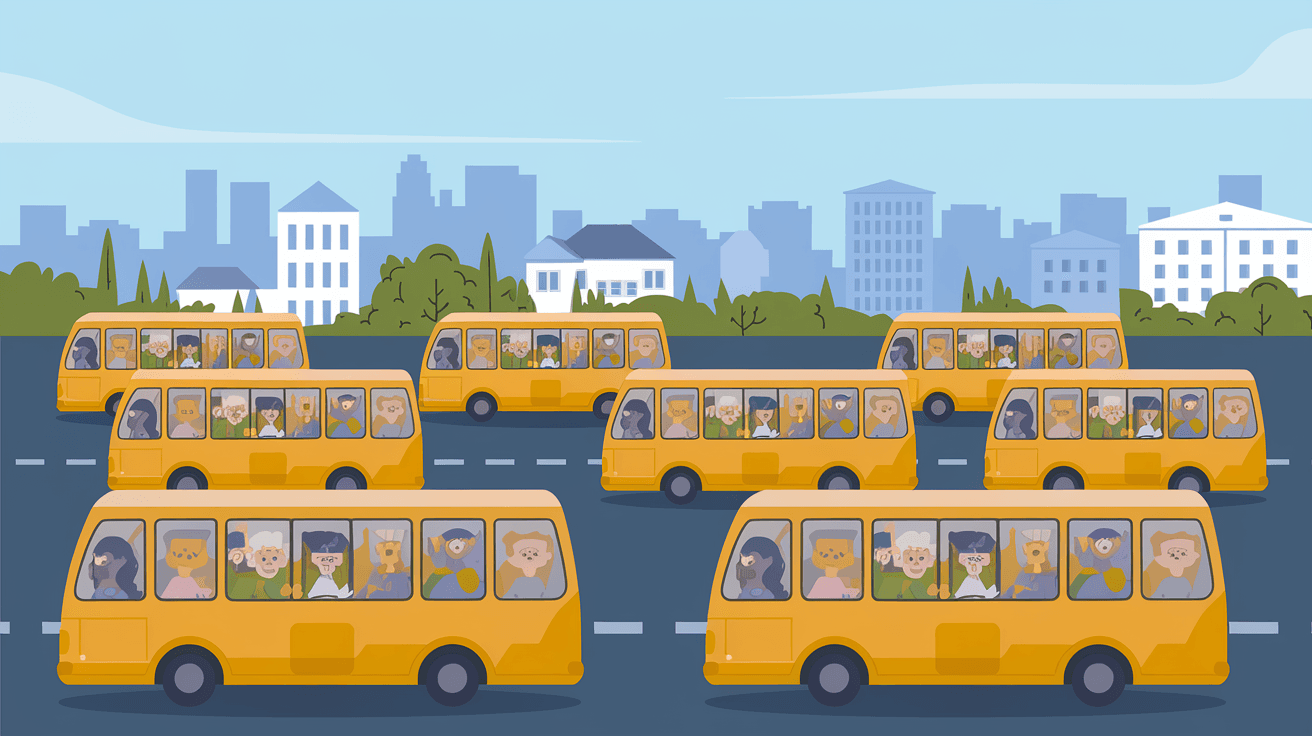
India's vast and diverse transport system relies heavily on buses. If you've ever wondered how many buses operate across the country, you're not alone. Understanding the scale of bus transportation in India helps you appreciate how millions of people commute daily. Whether you're a traveler, student, or just curious, knowing about India's bus fleet gives you a clearer picture of the nation's mobility.
In this article, I will walk you through the current number of buses in India, the different types of buses, and their significance in connecting cities and rural areas. We'll also explore how government policies and private operators shape the bus industry. By the end, you'll have a solid grasp of India's bus landscape.
India has one of the largest bus fleets in the world. According to recent government transport data, the total number of registered buses in India is estimated to be around 700,000 to 750,000. This figure includes both public and private buses operating across urban and rural areas.
Here’s a breakdown of the bus fleet:
These numbers reflect the vast scale of bus transportation, which serves millions of passengers daily. The government continues to invest in expanding and modernizing the fleet to meet growing demand.
India's bus fleet is diverse, catering to different needs and terrains. Here are the main types of buses you will find:
Each type serves a specific purpose, ensuring connectivity across India's vast geography.
State Transport Undertakings are government-run bus services in each state. They play a crucial role in providing affordable and reliable transport. Some key points about STUs:
STUs are vital for connecting remote areas where private operators may not find it profitable to run services.
Private bus operators form the backbone of India's long-distance and intercity travel. They offer a wide range of services, from basic to luxury coaches. Here’s what you should know:
Private operators have modernized their fleets with luxury and semi-luxury buses, improving passenger comfort and safety.
Urban bus services are critical in India’s metro cities. These buses help reduce traffic congestion and pollution. Some facts about urban buses:
Urban bus services are evolving rapidly to meet the needs of growing city populations.
India is pushing for cleaner transport, and buses are a big part of this effort. The government has launched schemes to promote electric and CNG buses. Highlights include:
This shift is crucial for improving air quality and reducing carbon emissions.
Despite its size, the Indian bus industry faces several challenges:
Addressing these challenges is key to improving bus transport quality and coverage.
The Indian government has launched multiple initiatives to enhance bus transport:
These efforts aim to make bus travel safer, cleaner, and more convenient.
Buses are the lifeline of India’s transport system. Here’s why they matter:
Without buses, India’s mobility and economy would face serious setbacks.
The future of buses in India looks promising with technology and sustainability at the forefront:
As India’s population grows, buses will remain essential for daily commuting and long-distance travel.
Now you know that India has around 700,000 to 750,000 buses, making it one of the largest bus fleets globally. These buses come in many types, from city buses to luxury coaches, serving millions of passengers daily. Both government-run and private operators play vital roles in this vast network.
The push towards electric and green buses shows India’s commitment to cleaner transport. While challenges remain, ongoing government initiatives and technological advances promise a better, more efficient bus system. Whether you’re traveling in a metro city or a rural village, buses will continue to be your reliable companion on the road.
India has approximately 700,000 to 750,000 registered buses, including public and private operators across urban and rural areas.
About 20% of India’s buses are operated by State Transport Undertakings (STUs), while the rest are mostly private operators.
Electric buses are growing rapidly, with over 10,000 currently in operation, supported by government schemes promoting clean energy.
Metro cities like Delhi, Mumbai, Bangalore, and Chennai have the largest urban bus fleets, ranging from 5,000 to 15,000 buses each.
Challenges include aging fleets, traffic congestion, safety issues, financial losses for STUs, and infrastructure gaps like poor bus stops.