

How Many Brands in India
F
Discover verified facts, data, and insights about India’s states, culture, economy, education, and more — all in one place at FactBharat.
Search for a command to run...
Discover verified facts, data, and insights about India’s states, culture, economy, education, and more — all in one place at FactBharat.
No comments yet. Be the first to comment.
Moving to the USA from India is a dream for many. Whether you want to study, work, or live with family, the process can seem complex. But with the right information, you can plan your move confidently. I’ll guide you through the key steps and options...
Opening a college in India is a dream for many educators and entrepreneurs who want to contribute to the country’s education sector. If you are one of those who want to start a college, you need to understand the process clearly. It involves several ...
Opening a hospital in India is a significant and rewarding venture. If you’ve ever wondered how to start one, you’re in the right place. Whether you’re a healthcare professional, entrepreneur, or investor, understanding the process is crucial. You’ll...
Opening a medical store in India can be a rewarding business opportunity. You get to serve your community by providing essential medicines and healthcare products. If you are thinking about starting a medical store, you might wonder where to begin an...
Opening a restaurant in India can be an exciting and rewarding venture. Whether you dream of serving traditional Indian dishes or international cuisine, the process involves careful planning and understanding of local regulations. If you’re ready to ...
FactBharat | Insights About India
2558 posts
Discover verified facts, data, and insights about India’s states, culture, economy, education, and more — all in one place at FactBharat.
India is a land of diverse cultures, languages, and traditions. This diversity is also reflected in the vast number of brands operating across the country. Whether you shop for groceries, electronics, or fashion, you will find a wide range of brands catering to every need and preference. But have you ever wondered how many brands actually exist in India?
In this article, I will take you through the fascinating world of Indian brands. We will explore the different types of brands, their growth, and how they shape the Indian market. By the end, you will have a clear picture of the brand ecosystem in India and why it is so dynamic and exciting.
India is one of the fastest-growing economies in the world, and its brand landscape reflects this growth. The number of brands in India runs into hundreds of thousands, spanning various sectors such as FMCG, technology, fashion, automotive, and more.
This vast number shows how competitive and vibrant the Indian market is. New brands emerge every day, driven by innovation and changing consumer preferences.
India’s brand ecosystem is diverse. You can broadly classify brands into three categories:
These are brands that originate and operate primarily within India. Many of these brands have deep roots in Indian culture and traditions.
Global brands that have entered the Indian market to tap into its large consumer base.
India’s startup ecosystem is booming, with thousands of new brands launching every year, especially in e-commerce, fintech, and health tech.
Several factors contribute to the rapid growth and proliferation of brands in India:
These drivers create a fertile ground for brands to flourish and compete.
Despite the growth, Indian brands face several challenges:
Addressing these challenges is crucial for Indian brands to sustain their growth.
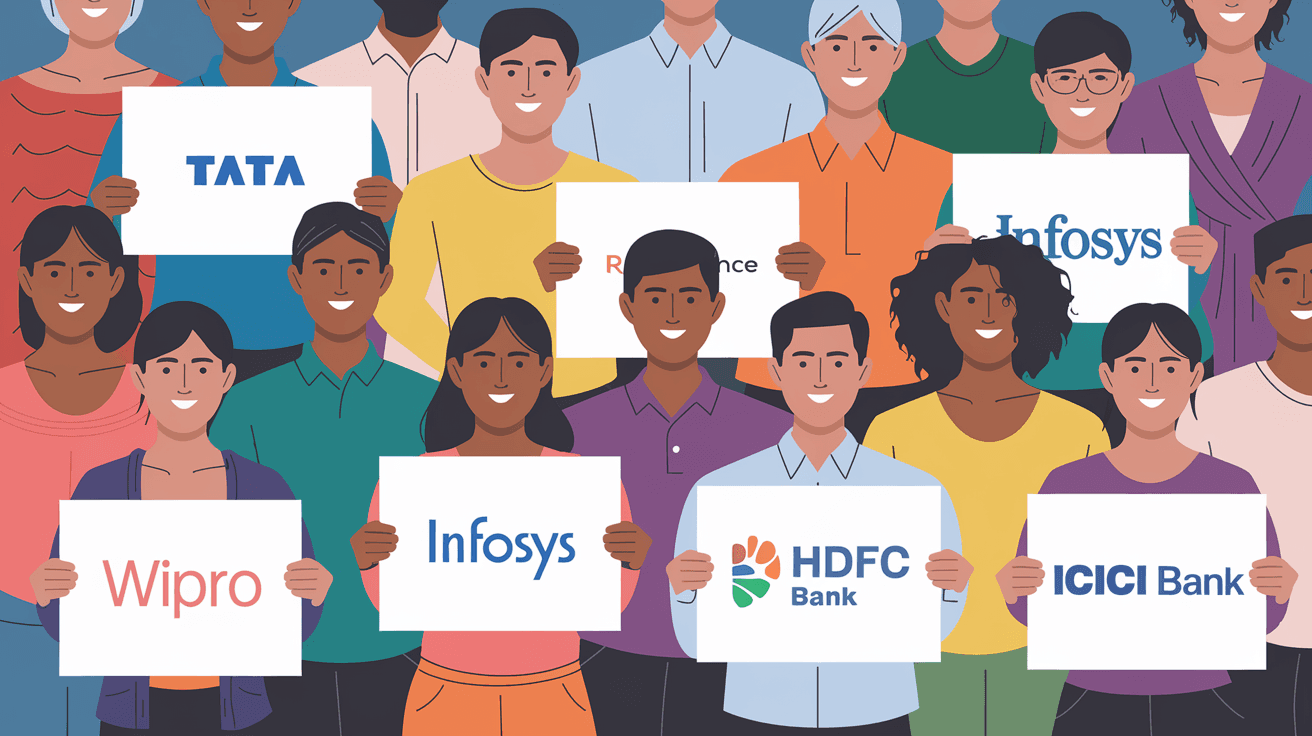
Some Indian brands have become household names and even global players. Here are a few examples:
| Brand | Sector | Notable Achievements |
| Tata Group | Conglomerate | Global presence in steel, automotive, IT |
| Amul | FMCG | Largest dairy cooperative in India |
| Patanjali | FMCG | Popularized herbal and Ayurvedic products |
| Reliance | Conglomerate | Leader in telecom, retail, and energy sectors |
| Flipkart | E-commerce | Pioneer in Indian online retail |
These brands have shaped consumer habits and contributed significantly to India’s economy.
If you want to know whether a product or company is a recognized brand in India, here are some tips:
These factors help you distinguish established brands from new or unverified ones.
The brand landscape in India is set to evolve rapidly in the coming years. Here’s what you can expect:
This dynamic environment offers exciting opportunities for entrepreneurs and consumers alike.
India hosts a staggering number of brands across various sectors, reflecting its economic growth and cultural diversity. From traditional domestic brands to innovative startups and global giants, the Indian market is vibrant and competitive. Understanding the scale and types of brands helps you appreciate the choices available and the forces shaping the market.
As India continues to grow, so will its brands, driven by technology, consumer demand, and government support. Whether you are a consumer, entrepreneur, or investor, keeping an eye on this evolving landscape can offer valuable insights and opportunities.
India has over 3 million registered trademarks, with around 1.5 million active brands currently in use.
Some of the biggest Indian brands include Tata Group, Amul, Patanjali, Reliance, and Flipkart.
Yes, international brands like Apple, Samsung, and Coca-Cola have a strong presence and compete actively in the Indian market.
Startups bring innovation and digital-first approaches, rapidly changing consumer habits and increasing competition.
Indian brands face competition, regulatory hurdles, quality perception issues, and supply chain challenges, especially in rural areas.