

How Many Brahmins Are There in India
F
Discover verified facts, data, and insights about India’s states, culture, economy, education, and more — all in one place at FactBharat.
Search for a command to run...
Discover verified facts, data, and insights about India’s states, culture, economy, education, and more — all in one place at FactBharat.
No comments yet. Be the first to comment.
Moving to the USA from India is a dream for many. Whether you want to study, work, or live with family, the process can seem complex. But with the right information, you can plan your move confidently. I’ll guide you through the key steps and options...
Opening a college in India is a dream for many educators and entrepreneurs who want to contribute to the country’s education sector. If you are one of those who want to start a college, you need to understand the process clearly. It involves several ...
Opening a hospital in India is a significant and rewarding venture. If you’ve ever wondered how to start one, you’re in the right place. Whether you’re a healthcare professional, entrepreneur, or investor, understanding the process is crucial. You’ll...
Opening a medical store in India can be a rewarding business opportunity. You get to serve your community by providing essential medicines and healthcare products. If you are thinking about starting a medical store, you might wonder where to begin an...
Opening a restaurant in India can be an exciting and rewarding venture. Whether you dream of serving traditional Indian dishes or international cuisine, the process involves careful planning and understanding of local regulations. If you’re ready to ...
FactBharat | Insights About India
2558 posts
Discover verified facts, data, and insights about India’s states, culture, economy, education, and more — all in one place at FactBharat.
Understanding the population of Brahmins in India is a topic that interests many. You might wonder how many Brahmins live in India today and where they are mostly found. This article will guide you through the current estimates, regional distribution, and the cultural role of Brahmins in Indian society.
We will explore the numbers based on recent studies and census data, and also look at how Brahmins have influenced India's culture and traditions. By the end, you will have a clear picture of the Brahmin community's size and significance in India.
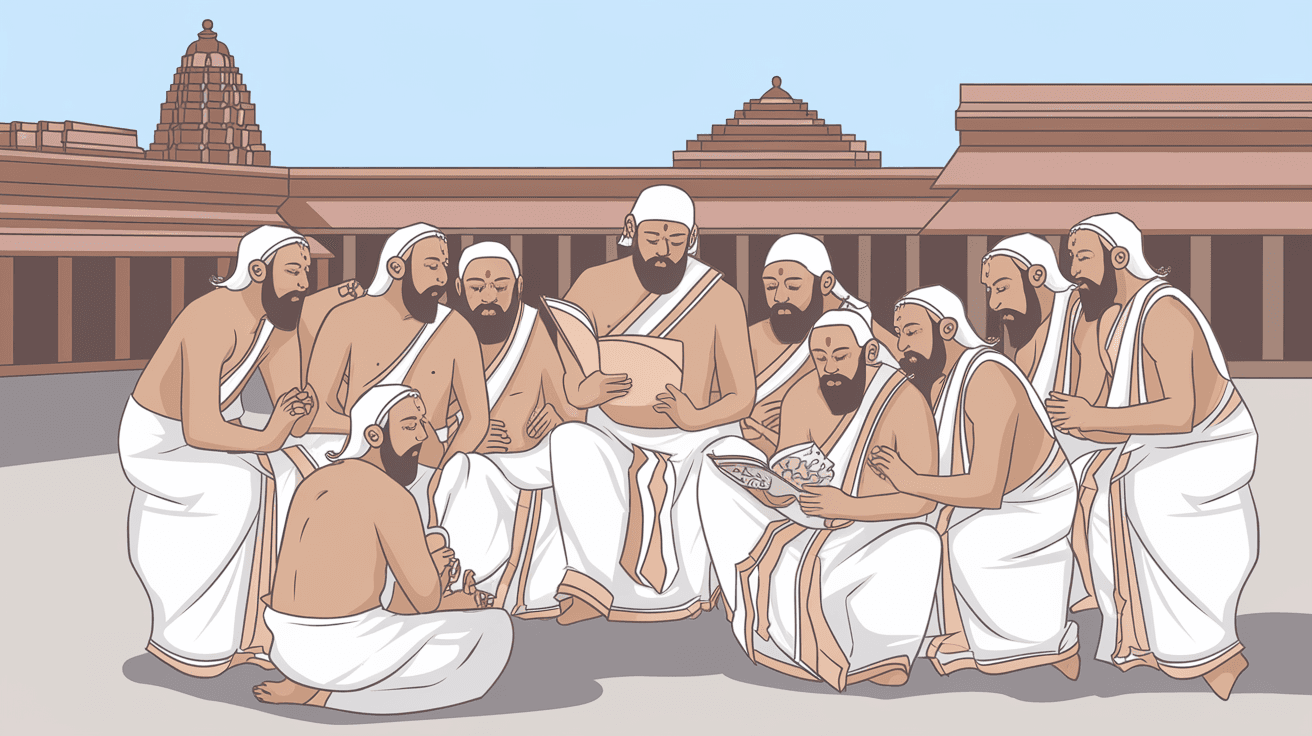
Brahmins are a prominent social group in India, traditionally known as priests, scholars, and teachers. They have played a key role in preserving and passing down Hindu religious texts and rituals for centuries.
Understanding who Brahmins are helps us appreciate their cultural importance beyond just population numbers.
Estimating the exact number of Brahmins in India is challenging due to the country's vast diversity and the lack of caste-specific data in recent censuses. However, various studies and surveys provide useful estimates.
These numbers highlight that Brahmins form a significant minority group in India.
Brahmins are spread across India, but their population density varies widely by region. Here’s a look at where Brahmins are most commonly found:
Each region has its own Brahmin sub-castes with unique customs and traditions.
Brahmins are not a single homogeneous group. They are divided into many sub-groups based on language, region, and rituals.
These sub-groups reflect the cultural diversity within the Brahmin community.
Brahmins have historically been custodians of Hindu knowledge and rituals. Even today, they play important roles in religious ceremonies and education.
Despite modernization, Brahmins continue to influence Indian culture deeply.
Over the years, the Brahmin population has seen some changes due to social and economic factors.
These trends show how the Brahmin community is adapting to modern India.
Counting Brahmins precisely is difficult because:
Researchers rely on surveys, academic studies, and local data to estimate numbers.
Understanding the size and distribution of Brahmins helps in:
It also helps appreciate the diversity within Indian society.
| Region | Estimated Percentage of Population | Key States |
| Northern India | 5-6% | Uttar Pradesh, Bihar |
| Southern India | 3-4% | Tamil Nadu, Kerala |
| Western India | 4-5% | Maharashtra, Gujarat |
| Eastern India | 2-3% | West Bengal, Odisha |
This table gives a quick view of where Brahmins are most concentrated.
You now have a clearer understanding of how many Brahmins there are in India and where they live. While exact numbers are hard to pin down, estimates suggest they make up about 4-5% of the population, with millions spread across the country.
Brahmins remain an important cultural and social group, contributing to India’s rich heritage. Their diverse sub-groups and regional presence show the complexity of Indian society. Knowing about Brahmins helps us appreciate the country’s traditions and social fabric better.
Brahmins are estimated to be around 4-5% of India’s population, which translates to roughly 56 to 70 million people.
Uttar Pradesh, Bihar, Tamil Nadu, Maharashtra, and Kerala have some of the largest Brahmin populations.
No, Brahmins consist of many sub-groups based on region, language, and customs, such as Saraswat, Iyer, and Namboodiri Brahmins.
India’s census does not collect caste-specific data, and migration and social changes make precise counting difficult.
Brahmins often serve as priests, scholars, teachers, and professionals, continuing their traditional roles in religion and education.