

How Many Black Panthers Are in India?
F
Discover verified facts, data, and insights about India’s states, culture, economy, education, and more — all in one place at FactBharat.
Search for a command to run...
Discover verified facts, data, and insights about India’s states, culture, economy, education, and more — all in one place at FactBharat.
No comments yet. Be the first to comment.
Moving to the USA from India is a dream for many. Whether you want to study, work, or live with family, the process can seem complex. But with the right information, you can plan your move confidently. I’ll guide you through the key steps and options...
Opening a college in India is a dream for many educators and entrepreneurs who want to contribute to the country’s education sector. If you are one of those who want to start a college, you need to understand the process clearly. It involves several ...
Opening a hospital in India is a significant and rewarding venture. If you’ve ever wondered how to start one, you’re in the right place. Whether you’re a healthcare professional, entrepreneur, or investor, understanding the process is crucial. You’ll...
Opening a medical store in India can be a rewarding business opportunity. You get to serve your community by providing essential medicines and healthcare products. If you are thinking about starting a medical store, you might wonder where to begin an...
Opening a restaurant in India can be an exciting and rewarding venture. Whether you dream of serving traditional Indian dishes or international cuisine, the process involves careful planning and understanding of local regulations. If you’re ready to ...
FactBharat | Insights About India
2558 posts
Discover verified facts, data, and insights about India’s states, culture, economy, education, and more — all in one place at FactBharat.
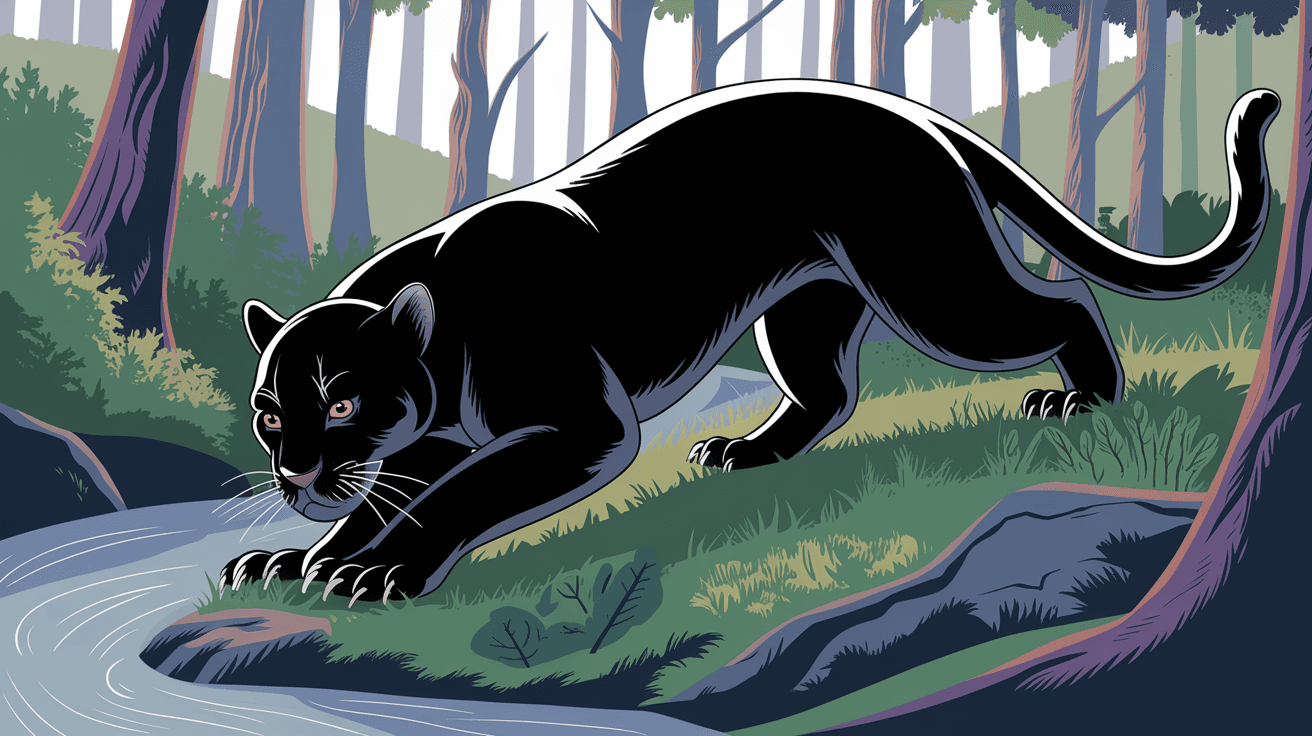
When you hear the term "black panther," you might picture a mysterious big cat prowling through dense forests. But have you ever wondered how many black panthers actually live in India? You’re not alone. Many people are curious about these elusive creatures, often confused with other big cats like leopards or melanistic jaguars. In this article, I’ll guide you through the facts about black panthers in India, their population, where they live, and what makes them so special.
We’ll also explore why black panthers are rare and how conservation efforts are helping protect them. By the end, you’ll have a clear understanding of these fascinating animals and their place in India’s wildlife. So, let’s dive in and uncover the truth about black panthers in India.
Before we talk about numbers, it’s important to understand what a black panther actually is. The term "black panther" doesn’t refer to a separate species. Instead, it describes big cats with a black coat caused by a genetic condition called melanism.
Black panthers are not a different species but a color variation of leopards. This means when we talk about black panthers in India, we are really talking about black-coated leopards.
Estimating the exact number of black panthers in India is challenging because these animals are elusive and mostly active at night. However, experts estimate that black panthers make up about 10-15% of the leopard population in India.
Black panthers are more common in certain forested areas where dense vegetation helps them blend in. Their dark coat gives them an advantage in thick forests, making them harder to spot.
Black panthers are mostly found in the dense forests and hilly regions of India. Some of the key areas where they are spotted include:
These regions offer the cover and prey that black panthers need to survive. The dense canopy and shadows help their black coats provide camouflage.
Even though black panthers are not a separate species, their melanistic trait is relatively rare. Here’s why:
Because of these factors, black panthers remain a rare and mysterious sight in the wild.
Black panthers hunt and behave much like regular leopards. Their dark coat gives them an edge during night hunts or in shadowy forests.
This adaptability helps black panthers survive in diverse habitats across India.
Leopards, including black panthers, face threats from habitat loss, poaching, and human-wildlife conflict. Here’s what you should know about their conservation:
Efforts to protect leopards indirectly help black panthers thrive. Awareness and community involvement are key to their survival.
Seeing a black panther in the wild is rare but not impossible. If you want to try, here are some tips:
Remember, black panthers are shy and avoid humans, so spotting one is a special experience.
Here are some cool facts about black panthers that might surprise you:
These facts show how unique and fascinating black panthers really are.
Black panthers have captured the imagination of people in India and around the world. They appear in folklore, movies, and art.
This cultural significance adds to the importance of conserving these animals.
Studying black panthers is difficult due to their elusive nature. Researchers face several challenges:
Despite these challenges, technology like camera traps and drones is helping scientists learn more about black panthers.
You don’t have to be a wildlife expert to help protect black panthers. Here are some simple ways you can contribute:
Every small action counts in protecting these majestic creatures.
Now you know that black panthers in India are actually melanistic leopards, making up a small but significant part of the leopard population. Their numbers are estimated to be in the thousands, mostly living in dense forests across India. These mysterious cats are rare and hard to spot, but they play an important role in the ecosystem.
Conservation efforts are crucial to ensure black panthers and their habitats survive for future generations. By understanding their behavior, habitat, and challenges, you can appreciate these beautiful animals even more. Whether you’re a wildlife enthusiast or just curious, black panthers remain one of India’s most fascinating natural wonders.
There are roughly 1,200 to 2,100 black panthers in India, based on estimates that they make up 10-15% of the total leopard population.
No, black panthers are not a separate species. They are melanistic leopards with a genetic mutation causing their black coat.
You can find black panthers in dense forests like the Western Ghats, Sundarbans, Central India, and Northeast India.
Black panthers are rare because melanism is a genetic mutation that occurs in only a small percentage of leopards, and their nocturnal, secretive nature makes them hard to spot.
They face threats like habitat loss, poaching, and human-wildlife conflict, similar to other leopards, making conservation efforts vital.