

How Many Bird Species in India
F
Discover verified facts, data, and insights about India’s states, culture, economy, education, and more — all in one place at FactBharat.
Search for a command to run...
Discover verified facts, data, and insights about India’s states, culture, economy, education, and more — all in one place at FactBharat.
No comments yet. Be the first to comment.
Moving to the USA from India is a dream for many. Whether you want to study, work, or live with family, the process can seem complex. But with the right information, you can plan your move confidently. I’ll guide you through the key steps and options...
Opening a college in India is a dream for many educators and entrepreneurs who want to contribute to the country’s education sector. If you are one of those who want to start a college, you need to understand the process clearly. It involves several ...
Opening a hospital in India is a significant and rewarding venture. If you’ve ever wondered how to start one, you’re in the right place. Whether you’re a healthcare professional, entrepreneur, or investor, understanding the process is crucial. You’ll...
Opening a medical store in India can be a rewarding business opportunity. You get to serve your community by providing essential medicines and healthcare products. If you are thinking about starting a medical store, you might wonder where to begin an...
Opening a restaurant in India can be an exciting and rewarding venture. Whether you dream of serving traditional Indian dishes or international cuisine, the process involves careful planning and understanding of local regulations. If you’re ready to ...
FactBharat | Insights About India
2558 posts
Discover verified facts, data, and insights about India’s states, culture, economy, education, and more — all in one place at FactBharat.
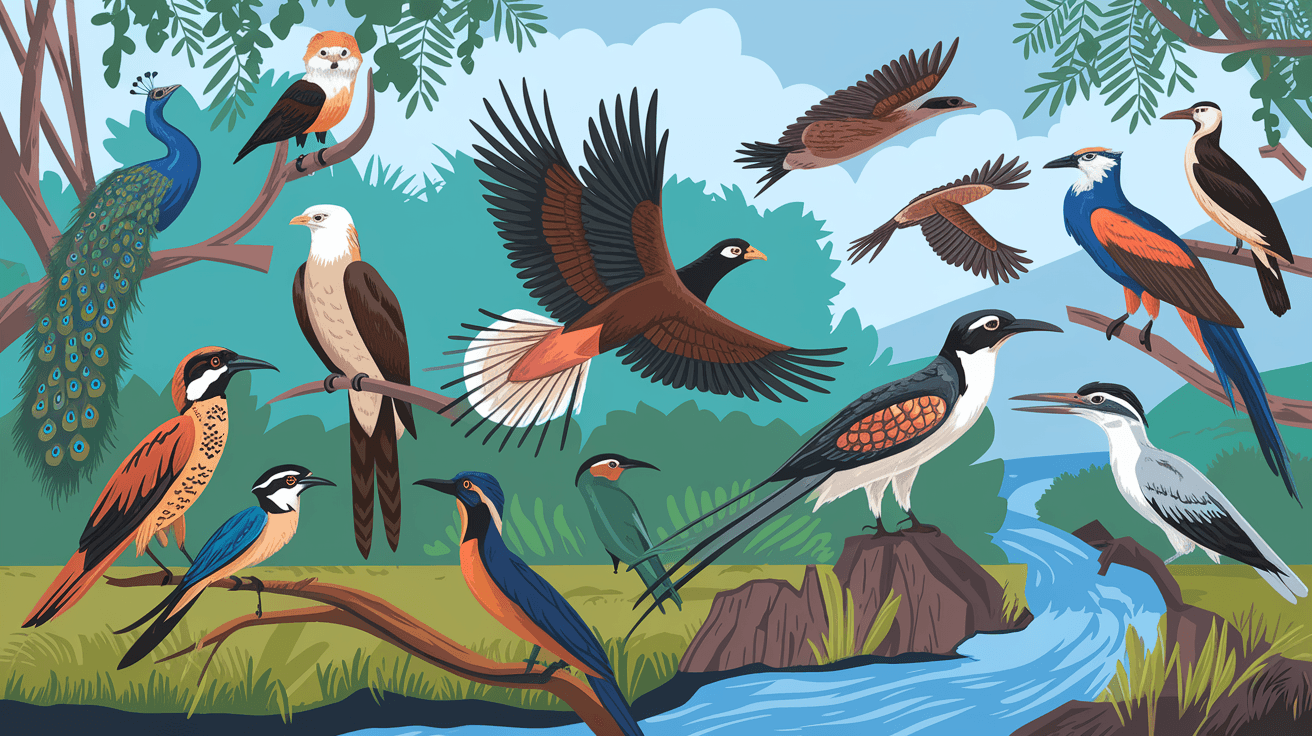
India is a bird lover’s paradise. If you enjoy watching birds or are curious about wildlife, you’ll be amazed by the variety of bird species found here. From the snowy mountains in the north to the tropical forests in the south, India offers habitats for a vast number of birds.
In this article, I’ll take you through how many bird species live in India, where you can find them, and why this diversity matters. Whether you’re a beginner or an experienced birder, you’ll find useful information to deepen your appreciation for India’s feathered friends.
India is home to approximately 1,350 bird species. This number makes it one of the most bird-rich countries in the world. The diversity is due to India’s varied climate and geography, which includes deserts, mountains, wetlands, and forests.
Here are some key points about India’s bird species:
This rich variety makes India a hotspot for birdwatching and conservation efforts.
India’s bird diversity is linked to several factors:
These factors combine to create an environment where birds can flourish.
Different regions in India support different bird species. Here are some important habitats:
India’s forests are home to many resident and migratory birds. Tropical rainforests in the Western Ghats and Northeast India are especially rich in bird life.
Wetlands attract waterbirds like ducks, herons, and flamingos. India has many important wetlands, including the Chilika Lake and Bharatpur Bird Sanctuary.
The Himalayas and other mountain ranges host unique bird species adapted to cold climates.
The Thar Desert and grasslands support species adapted to dry conditions.
Endemic species are special because they live only in India. There are about 130 such species, mostly found in the Western Ghats and Northeast India.
Some notable endemic birds include:
Protecting these species is important because their survival depends entirely on India’s ecosystems.
India is a key stopover for many migratory birds. Every year, millions of birds travel thousands of kilometers to spend winters here.
Common migratory birds include:
Migratory birds add to India’s bird diversity and highlight the importance of conserving habitats along migratory routes.
If you want to see India’s bird species, here are some top places to visit:
These locations offer great opportunities to spot a wide variety of birds.
Despite the rich bird diversity, many species face threats:
Conservation efforts are ongoing to protect birds and their habitats.
India has taken several steps to protect its birds:
These efforts help maintain India’s bird diversity for future generations.
You don’t have to be a scientist to help birds. Here are some simple actions you can take:
Every small step counts in protecting India’s amazing bird species.
India’s bird diversity is truly impressive, with around 1,350 species calling the country home. This variety comes from India’s unique geography, climate, and rich habitats. From endemic species to migratory visitors, birds add beauty and balance to the environment.
By understanding where birds live and the challenges they face, you can appreciate their importance more deeply. Whether you visit bird sanctuaries or simply watch birds in your backyard, you play a part in conserving India’s feathered treasures. Together, we can ensure that future generations enjoy the same rich birdlife we do today.
India has about 1,350 bird species, making it one of the most bird-rich countries globally. This includes resident, migratory, and endemic species.
Notable endemic birds include the Nilgiri laughingthrush, Jerdon’s courser, Kashmir flycatcher, and White-cheeked barbet. These species are found only in India.
States like Arunachal Pradesh, Assam, Kerala, and Tamil Nadu have high bird diversity due to their varied habitats and climates.
The best time is during the winter months (October to March) when migratory birds arrive, and the weather is pleasant for outdoor activities.
You can help by supporting conservation groups, avoiding habitat disturbance, reducing pollution, planting native trees, and educating others about birds.