

How Many Bird Sanctuaries Are There in India
F
Discover verified facts, data, and insights about India’s states, culture, economy, education, and more — all in one place at FactBharat.
Search for a command to run...
Discover verified facts, data, and insights about India’s states, culture, economy, education, and more — all in one place at FactBharat.
No comments yet. Be the first to comment.
Moving to the USA from India is a dream for many. Whether you want to study, work, or live with family, the process can seem complex. But with the right information, you can plan your move confidently. I’ll guide you through the key steps and options...
Opening a college in India is a dream for many educators and entrepreneurs who want to contribute to the country’s education sector. If you are one of those who want to start a college, you need to understand the process clearly. It involves several ...
Opening a hospital in India is a significant and rewarding venture. If you’ve ever wondered how to start one, you’re in the right place. Whether you’re a healthcare professional, entrepreneur, or investor, understanding the process is crucial. You’ll...
Opening a medical store in India can be a rewarding business opportunity. You get to serve your community by providing essential medicines and healthcare products. If you are thinking about starting a medical store, you might wonder where to begin an...
Opening a restaurant in India can be an exciting and rewarding venture. Whether you dream of serving traditional Indian dishes or international cuisine, the process involves careful planning and understanding of local regulations. If you’re ready to ...
FactBharat | Insights About India
2558 posts
Discover verified facts, data, and insights about India’s states, culture, economy, education, and more — all in one place at FactBharat.
India is a country rich in biodiversity, especially when it comes to birdlife. If you love birds or are curious about wildlife, you might wonder how many bird sanctuaries India has. These protected areas play a crucial role in conserving various bird species and their habitats. In this article, I will guide you through the number of bird sanctuaries in India, why they matter, and some famous examples you might want to visit.
You will also learn about the different types of bird sanctuaries, how they help protect migratory and resident birds, and what makes India a hotspot for birdwatchers. Whether you are planning a trip or just want to know more about India's natural heritage, this article will give you clear and useful information.
India has around 47 officially recognized bird sanctuaries spread across the country. These sanctuaries vary in size and habitat type, from wetlands and forests to grasslands and coastal areas. The exact number can change slightly as new sanctuaries are declared or existing protected areas are upgraded.
Here are some key points about bird sanctuaries in India:
The government and various wildlife organizations manage these sanctuaries to ensure the survival of endangered and rare bird species. For example, the Bharatpur Bird Sanctuary (Keoladeo National Park) in Rajasthan is a UNESCO World Heritage Site and one of the most famous bird sanctuaries in India.
Bird sanctuaries are vital for several reasons. They protect birds from habitat loss, hunting, and pollution. They also help maintain ecological balance by supporting species that control pests and pollinate plants.
Here’s why you should care about bird sanctuaries:
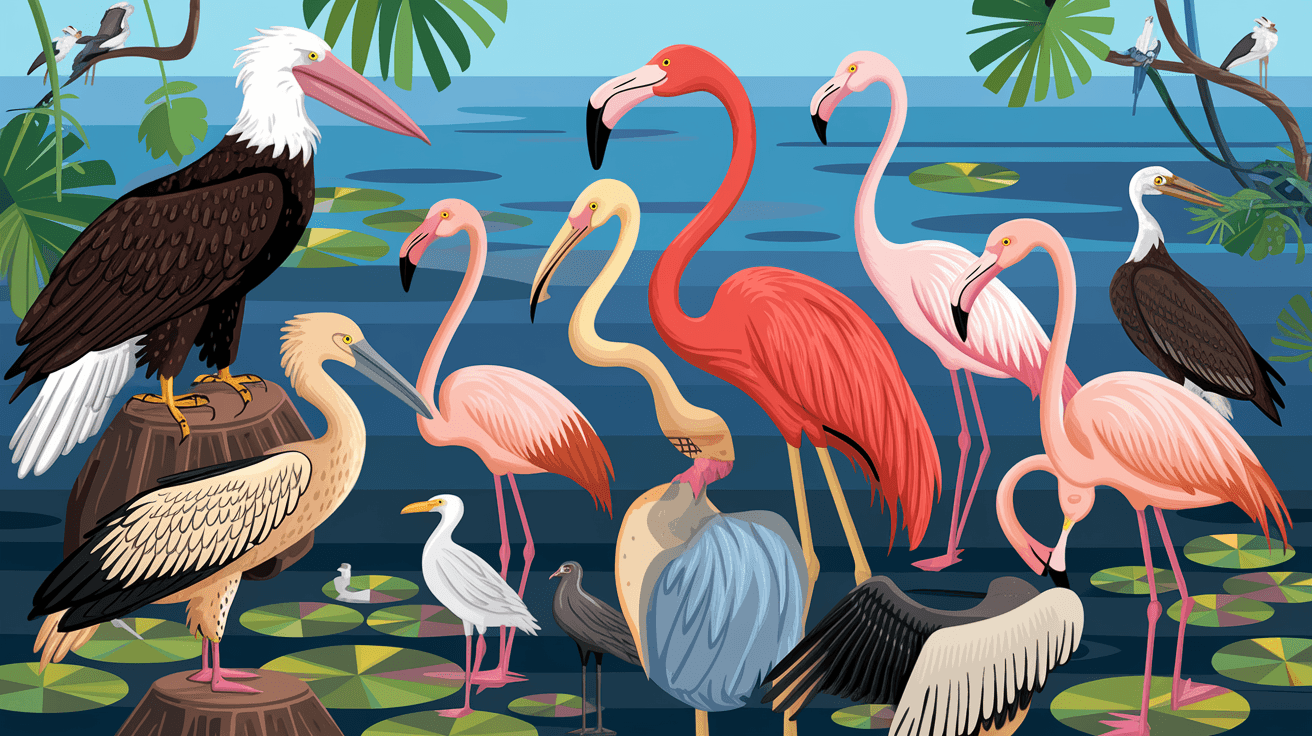
For example, the Chilika Lake Bird Sanctuary in Odisha is Asia’s largest brackish water lagoon and supports over 160 species of birds, including migratory flamingos and pelicans.
Bird sanctuaries in India come in different forms depending on their location and the species they protect. Understanding these types can help you appreciate the diversity of habitats.
Wetlands are crucial for waterbirds like ducks, geese, herons, and storks. Many bird sanctuaries in India are wetland areas.
These sanctuaries protect birds that live in forested areas, including woodpeckers, hornbills, and pheasants.
Coastal sanctuaries protect seabirds and shorebirds, while island sanctuaries often host unique species.
If you want to explore bird sanctuaries in India, here are some of the most famous ones:
| Sanctuary Name | Location | Notable Birds |
| Keoladeo National Park | Rajasthan | Painted Stork, Siberian Crane |
| Chilika Lake | Odisha | Flamingos, Pelicans |
| Thattekad Bird Sanctuary | Kerala | Malabar Grey Hornbill, Kingfishers |
| Sultanpur Bird Sanctuary | Haryana | Black-necked Stork, Eurasian Wigeon |
| Ranganathittu Bird Sanctuary | Karnataka | Asian Openbill Stork, Spot-billed Pelican |
These sanctuaries attract thousands of birdwatchers every year. They offer opportunities to see rare and migratory birds in their natural habitats.
India lies on several major migratory routes, including the Central Asian Flyway. Bird sanctuaries provide safe resting and feeding spots for birds traveling from Siberia, Europe, and Central Asia.
Without these sanctuaries, many migratory birds would struggle to find safe habitats, leading to population declines.
Despite their importance, bird sanctuaries in India face several challenges:
Conservation efforts focus on addressing these issues through stricter protection laws, habitat restoration, and community involvement.
You don’t have to be a scientist to help protect bird sanctuaries. Here are some simple ways you can contribute:
By taking these steps, you help ensure that future generations can enjoy the beauty of India’s birdlife.
India is home to about 47 bird sanctuaries, each playing a vital role in protecting diverse bird species and their habitats. These sanctuaries range from wetlands and forests to coastal areas, supporting both resident and migratory birds. They are essential for biodiversity conservation, environmental health, and eco-tourism.
Understanding the importance of these sanctuaries and the challenges they face helps us appreciate the need for their protection. Whether you are a bird enthusiast or a concerned citizen, you can contribute to preserving these natural treasures. Visiting, supporting, and advocating for bird sanctuaries ensures that India’s rich birdlife continues to thrive.
India has around 47 officially recognized bird sanctuaries spread across various states, protecting a wide range of bird species and habitats.
Chilika Lake Bird Sanctuary in Odisha is the largest, known for its vast brackish water lagoon and diverse bird population.
No, bird sanctuaries protect both migratory and resident bird species by providing safe habitats for feeding and breeding.
Yes, many bird sanctuaries welcome tourists and birdwatchers, but visitors must follow rules to avoid disturbing the wildlife.
Major threats include habitat loss, pollution, climate change, human disturbance, and invasive species affecting the delicate ecosystems.