

How Many Biosphere Reserves Are in India
F
Discover verified facts, data, and insights about India’s states, culture, economy, education, and more — all in one place at FactBharat.
Search for a command to run...
Discover verified facts, data, and insights about India’s states, culture, economy, education, and more — all in one place at FactBharat.
No comments yet. Be the first to comment.
Moving to the USA from India is a dream for many. Whether you want to study, work, or live with family, the process can seem complex. But with the right information, you can plan your move confidently. I’ll guide you through the key steps and options...
Opening a college in India is a dream for many educators and entrepreneurs who want to contribute to the country’s education sector. If you are one of those who want to start a college, you need to understand the process clearly. It involves several ...
Opening a hospital in India is a significant and rewarding venture. If you’ve ever wondered how to start one, you’re in the right place. Whether you’re a healthcare professional, entrepreneur, or investor, understanding the process is crucial. You’ll...
Opening a medical store in India can be a rewarding business opportunity. You get to serve your community by providing essential medicines and healthcare products. If you are thinking about starting a medical store, you might wonder where to begin an...
Opening a restaurant in India can be an exciting and rewarding venture. Whether you dream of serving traditional Indian dishes or international cuisine, the process involves careful planning and understanding of local regulations. If you’re ready to ...
FactBharat | Insights About India
2558 posts
Discover verified facts, data, and insights about India’s states, culture, economy, education, and more — all in one place at FactBharat.
India is home to a rich variety of ecosystems, from dense forests to coastal wetlands. If you love nature and want to understand how India protects its unique environments, you might wonder: how many biosphere reserves are in India? These reserves play a crucial role in conserving biodiversity while supporting sustainable development.
In this article, I’ll guide you through the number of biosphere reserves in India, their importance, and some notable examples. You’ll also learn how these reserves help balance human activity with nature’s needs. Let’s dive into the fascinating world of India’s biosphere reserves.
Biosphere reserves are special protected areas recognized internationally under UNESCO’s Man and the Biosphere (MAB) program. They aim to conserve biodiversity, promote research, and support sustainable use of natural resources.
Here’s what makes biosphere reserves unique:
In India, biosphere reserves protect diverse habitats such as forests, wetlands, mountains, and coastal areas. They help maintain ecological balance and preserve endangered species.
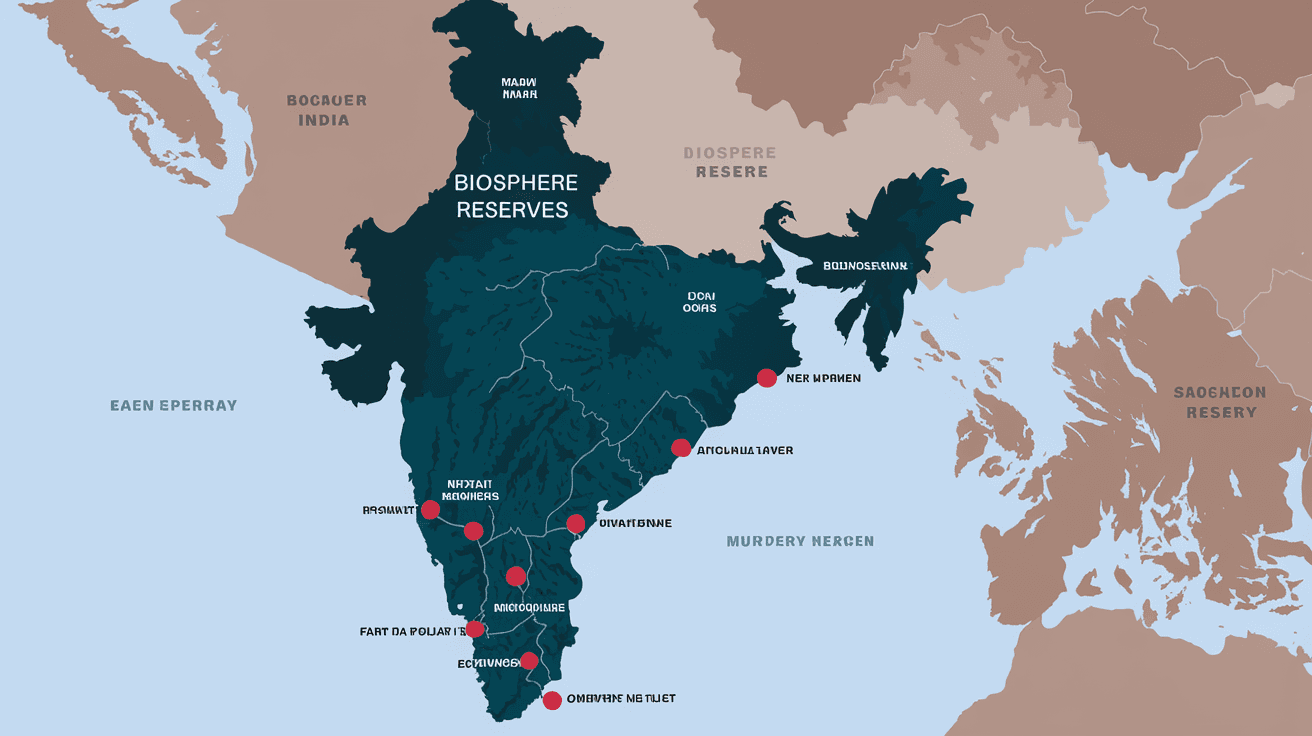
As of 2025, India has 18 officially recognized biosphere reserves. These reserves cover a wide range of ecosystems across the country. India ranks among the top countries globally in terms of biosphere reserve coverage.
Here’s a quick overview:
| Biosphere Reserve | Location(s) | Year of Establishment |
| Nilgiri | Tamil Nadu, Kerala, Karnataka | 1986 |
| Gulf of Mannar | Tamil Nadu | 1989 |
| Nanda Devi | Uttarakhand | 1988 |
| Sundarbans | West Bengal | 1989 |
| Manas | Assam | 1989 |
| Simlipal | Odisha | 1994 |
| Pachmarhi | Madhya Pradesh | 1999 |
| Achanakmar-Amarkantak | Chhattisgarh, Madhya Pradesh | 2005 |
| Great Nicobar | Andaman and Nicobar Islands | 2013 |
| Khangchendzonga | Sikkim | 2000 |
| Agasthyamalai | Tamil Nadu, Kerala | 2001 |
| Dibru-Saikhowa | Assam | 1997 |
| Cold Desert | Himachal Pradesh | 2009 |
| Seshachalam Hills | Andhra Pradesh | 2010 |
| Panna | Madhya Pradesh | 2011 |
| Kachchh | Gujarat | 2008 |
| Dihang-Dibang | Arunachal Pradesh | 1998 |
| Dehang-Dibang | Arunachal Pradesh | 1998 |
These biosphere reserves represent India’s commitment to protecting its natural heritage while involving local communities.
India’s biosphere reserves are vital for several reasons:
By balancing conservation and human needs, biosphere reserves help India meet its environmental goals.
Let’s look at some of the most famous biosphere reserves in India:
The Nilgiri Biosphere Reserve is India’s first biosphere reserve, established in 1986. It spans three states: Tamil Nadu, Kerala, and Karnataka. This reserve is known for:
Located in West Bengal, the Sundarbans is the largest mangrove forest in the world. It is famous for:
Situated in Assam, Manas is a UNESCO World Heritage Site. It is known for:
This reserve covers the southernmost part of the Andaman and Nicobar Islands. It features:
Biosphere reserves in India are managed through a collaborative approach involving:
Management focuses on zoning the reserve into:
This zoning helps balance protection with human needs.
Despite their importance, biosphere reserves face several challenges:
Addressing these challenges requires stronger policies, community involvement, and scientific monitoring.
You can contribute to the protection of biosphere reserves in several ways:
Every small action helps preserve these precious ecosystems for future generations.
India’s 18 biosphere reserves are vital treasures that protect the country’s rich biodiversity and support sustainable living. From the Nilgiri hills to the Sundarbans mangroves, these reserves showcase the incredible variety of life and landscapes in India. They also highlight the importance of balancing human needs with nature’s health.
By understanding how many biosphere reserves India has and why they matter, you can appreciate the efforts to conserve our planet. Whether you visit, support, or simply learn about these reserves, you play a part in protecting India’s natural heritage.
India has 18 officially recognized biosphere reserves spread across various states and ecosystems.
The Sundarbans Biosphere Reserve is the largest mangrove forest and one of the biggest biosphere reserves in India.
The Nilgiri Biosphere Reserve, established in 1986, was the first biosphere reserve in India.
No, biosphere reserves include core protected areas like national parks but also buffer and transition zones for sustainable use.
They provide sustainable livelihoods, protect natural resources, and involve communities in conservation and decision-making.